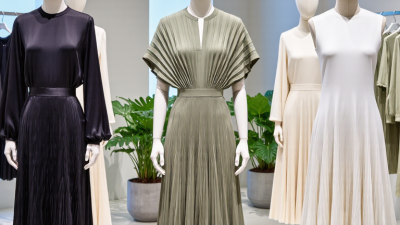
7 Tips for Choosing the Perfect Pleated Skirt Dress
Choosing the right Pleated Skirt Dress involves more than matching colors or following seasonal trends. The pleats must move naturally, recover after sitting, and suit your body’s proportions. Fabric matters too. Lightweight chiffon creates soft movement, while structured polyester holds sharper folds. Small details matter.
Issey Miyake, whose designs made pleating a recognized design language, once said, “Design is not for philosophy—it’s for life.” That idea applies directly to everyday dressing. A beautiful Pleated Skirt Dress should work beyond a fitting-room mirror. It should feel comfortable during a commute, remain polished at dinner, and withstand careful cleaning. My experience with fashion styling shows that shoppers often focus on the skirt’s volume first. They sometimes overlook waistband comfort, lining quality, and seam strength.
This guide presents seven practical tips for choosing a dress that looks refined and performs reliably. It considers silhouette, pleat depth, fabric behavior, length, color, fit, and care requirements. A fuller skirt may flatter one figure but overwhelm another. A shorter hem can look playful, yet it may feel impractical in windy weather. There is no universal answer. That is the difficult part.
Try the dress while walking. Sit down. Check the folds.
You should also inspect whether the pleats remain even near the zipper and waistline. Minor irregularities may indicate weak construction, although perfection is not always realistic. The best choice balances appearance, movement, comfort, and honest maintenance needs. That balance makes a Pleated Skirt Dress more wearable, dependable, and personal.
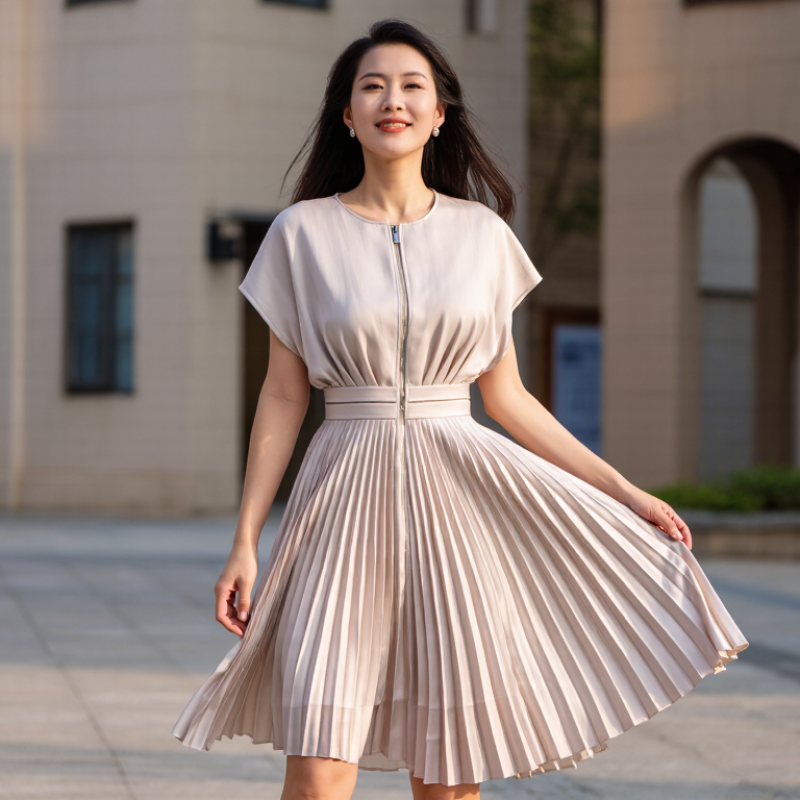
Define Your Style Goals and Occasion
Choosing a pleated skirt dress begins with a clear style goal. Do you want refined workwear, relaxed weekend clothing, or an elegant event look? Your occasion should guide the hemline, fabric, and pleat size. A midi length feels dependable in an office, while softer pleats suit outdoor gatherings. For formal settings, choose structured fabric and restrained colors. For casual wear, cotton blends and lighter shades create easier movement. Keep it practical.
PwC’s 2024 Voice of the Consumer Survey found that 46% of consumers buy more sustainable products. It also reported that consumers may pay an average premium of 9.7% for sustainable goods. These figures support choosing a dress for repeated wear, not one photograph. Check the fiber content, care label, stitching, and lining before trusting sustainability language. A well-made pleat should open smoothly and recover after sitting. Some pleats flatten quickly. That detail is easy to miss online.
Test the dress in real movements. Walk, sit, lift your arms, and turn near a mirror. Watch whether the waistband twists or the skirt clings to your legs. Try your intended shoes, because heel height changes the silhouette noticeably. McKinsey’s State of Fashion reports have repeatedly highlighted stronger value-conscious purchasing, making versatility a sensible priority. I still sometimes choose visual drama over comfort. That mistake becomes obvious after two hours. A dress that works with a jacket, flat shoes, and simple accessories usually serves more occasions.
Choose the Most Flattering Pleat Pattern
A flattering pleat pattern should follow your body’s movement, not fight it. Knife pleats create clean vertical lines and can visually lengthen the silhouette. Wider box pleats add structure, but they may increase volume around the hips. Accordion pleats offer fluid movement and suit softer, lightweight fabrics. Sunray pleats usually fit closely at the waist before opening gradually, which can balance fuller lower proportions.
Fabric matters as much as the pattern. Textile Exchange’s 2024 Materials Market Report estimates that polyester represented about 57% of global fiber production in 2023. This matters because fabric recovery affects pleat definition, weight, and daily care. A crisp synthetic blend may hold sharp knife pleats, while a softer woven fabric creates gentler folds. Check the skirt under natural light. Artificial lighting can hide uneven spacing.
Try sitting, walking, and turning before choosing. Pleats should reopen after movement without pulling across the waist. A useful fitting-room test is placing two fingers between your body and the waistband. Comfort matters. I sometimes prefer a slightly imperfect pleat line over a rigid pattern that restricts movement. The State of Fashion 2025 report from McKinsey and The Business of Fashion highlights stronger consumer attention to value and durability. Therefore, inspect stitching, fold recovery, and care instructions before buying. A beautiful pattern loses its appeal when every crease requires special handling.
Select the Right Fabric and Seasonal Weight
Select the Right Fabric and Seasonal Weight
Choosing the perfect pleated skirt dress begins with its fabric, not its color. In my fitting experience, fabric weight changes the dress’s movement, comfort, and overall shape. Lightweight cotton blends suit warm spring days and humid summer afternoons. They let pleats swing freely without clinging to the legs. Hold the fabric near a window. Sheer areas may need a lining.
Linen feels cool and textured, but it can crease quickly around the waist. That is not always a flaw. It can make the dress look relaxed and lived-in. For autumn, try a medium-weight wool blend or brushed polyester with a smooth lining. These fabrics preserve pleat definition while offering gentle warmth. In winter, a heavier weave works better with tights and a fitted coat. Still, thick fabric can make pleats look stiff.
I once chose warmth over movement. It looked polished, but felt restrictive after an hour. That mistake still matters. Bend, sit, and walk before buying. Check whether the pleats reopen neatly after sitting. Also inspect the lining, seams, and waistband. A breathable fabric may feel better than a heavier one in a heated room. Fabric composition helps, but weave and finishing matter too. Two dresses with similar fiber content can wear very differently. Choose the seasonal weight that matches your real routine, not an imagined one.
Pleated Skirt Dress: Typical Fabric Weight by Season
Fabric weight is a practical guide when choosing a pleated skirt dress. Lightweight fabrics suit warm weather, while heavier materials provide more structure and insulation in cooler seasons.
Approximate fabric weights are shown in grams per square metre (g/m²). Actual weight varies by weave, finish, and fiber blend.
Check Fit, Length, and Waistline Details
7 Tips for Choosing the Perfect Pleated Skirt Dress
Check Fit, Length, and Waistline Details
A pleated skirt dress should skim your body without pulling across the chest or hips. Move your arms, sit down, and take several steps before judging the fit. Pleats should fall evenly, not open sharply over one area. Check the shoulder seams too. They should rest near your natural shoulder edge. A loose bodice can look comfortable but may hide the waistline completely.
Length changes both comfort and proportion. Measure from your shoulder to the hem while wearing the shoes you expect to use. A hem around the knee feels practical, while a midi length creates a softer, longer line. Watch the back when sitting. Some dresses rise more than expected.
I once chose a beautiful mid-calf style that caught on my chair constantly. It looked better standing than moving.
The waistline deserves careful attention. An elastic waist should recover after stretching, without digging into your skin. A stitched waistband should sit flat and allow two fingers of breathing room. Look for pleats that begin at the correct point, rather than bunching beneath the bust. Belts can help define a relaxed shape, but they may distort delicate pleats.
Measure your natural waist, then compare it with the garment’s measurement. Size charts are useful, though not perfectly consistent. Fabric weight matters as well. Light fabric may emphasize every fold, while heavier fabric usually holds a cleaner shape. Try turning sideways in a mirror. That view often reveals fit problems first.
Coordinate Colors, Shoes, and Accessories
Tip: Start with the dress’s strongest color. A pleated skirt already creates movement, so too many competing shades can look restless. Use a three-color limit: one main tone, one supporting neutral, and one small accent. A 2024 resale-industry report projects the global secondhand apparel market will reach 350 billion dollars by 2028. Versatile color choices can help a dress work across more occasions and seasons. I prefer muted green with cream shoes and a warm-brown belt. It feels considered, not overly matched.
Tip: Let the shoes control the outfit’s visual weight. Slim loafers sharpen a daytime look, while low heels make the pleats appear longer. Sneakers can work, but clean lines matter more than trend labels. Industry footwear tracking reported that casual styles remained a major consumer preference in 2024. That supports practical pairings, though the data does not guarantee elegance. I sometimes choose shoes that are too delicate. The skirt then overwhelms them.
Tip: Keep accessories small and intentional. Match metal tones before matching every color. A narrow watch, compact earrings, or a structured bag can repeat the dress’s shape without adding clutter. Professional wardrobe stylists often recommend repeating one detail twice, such as a cream shoe and cream stitching. It is a useful rule, but not a law. For evening wear, try one bright accessory near the face. For work, choose matte textures and restrained contrast. A final mirror check matters. Sit down, walk, and inspect the pleats from the side.