Best Green Pleated Dress Trends for Global Buyers in 2026?
As we move toward 2026, the fashion landscape evolves, embracing sustainability and style. One standout piece is the “Green Pleated Dress.” Renowned designer Maria Collins emphasizes, “The elegance of pleats combined with eco-friendly fabrics redefines modern fashion.” This dress exemplifies a commitment to eco-consciousness without sacrificing aesthetics.
The Green Pleated Dress trend appeals to global buyers. It aligns with the increasing demand for sustainable clothing. Materials like organic cotton and recycled fibers are integral to this style. Consumers appreciate garments that tell a story. They seek pieces that contribute to a responsible fashion future while remaining chic.
Vibrant colors and unique patterns are redefining this classic silhouette. The pleats add texture and movement, enhancing wearability. However, it’s essential to balance design with ethical practices. With fast fashion's rise, ensuring sustainability in production is critical. Reflection on sourcing, labor practices, and environmental impact is needed as we embrace this fashionable trend.
Emerging Green Fabric Technologies for Pleated Dresses in 2026
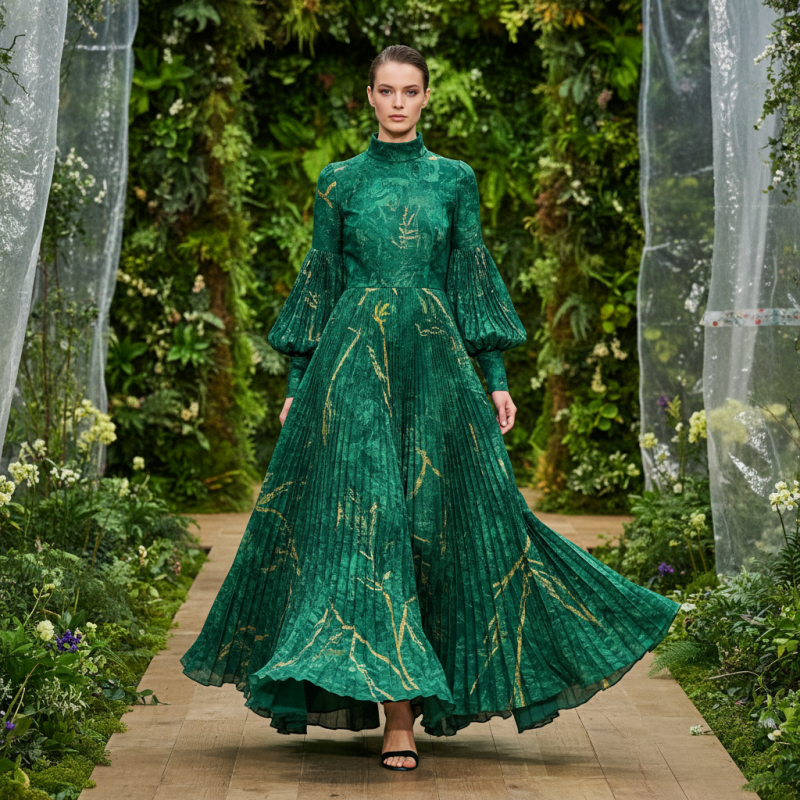
As the fashion industry moves toward sustainability, green fabric technologies are evolving rapidly. By 2026, buyers will encounter innovative eco-friendly materials for pleated dresses. These fabrics are often derived from recycled resources. For example, some use post-consumer plastics, transforming waste into beautiful textiles. This approach not only reduces landfill waste but also minimizes our carbon footprint.
New processes are being developed to enhance fabric performance while remaining environmentally conscious. Techniques such as bioengineering are creating natural fibers that mimic the feel and durability of traditional materials. Some emerging fabrics are designed to be biodegradable, breaking down naturally after their lifecycle. However, not all technologies reach the market seamlessly. Challenges remain in scalability and cost-effectiveness. Buyers may need to assess whether these innovations align with their budgets and values.
Designers are experimenting with pleats made from these new materials. The result is a stunning range of styles that celebrate sustainability. Yet, some consumers may feel uncertain. Will these dresses hold up over time? Do they meet quality standards? As the landscape of green fashion evolves, it will require both adaptation and critical thinking from buyers. Reflecting on these questions can foster a more informed purchasing decision.
Top Color Trends for Green Pleated Dresses in Global Fashion Markets
The global fashion market is on the brink of a color revolution, particularly when it comes to green pleated dresses. According to the latest report from Color Marketing Group, green shades are expected to dominate trends in 2026. Pantone’s Color of the Year and other influential color forecasts suggest that deep emerald and soft sage will resonate strongly with eco-conscious consumers.
The rise of environmentally friendly fashion is influencing color choices. A survey by Mintel indicates that 62% of millennials prefer sustainable clothing. This preference could lead to a surge in green dresses made from organic fabrics. As we move forward, trends indicate a blend of bright and muted greens, reflecting nature’s diversity.
Yet, it’s essential to consider the challenges. Many consumers struggle with choosing shades that complement their skin tones. Varied perceptions of green can lead to hesitation in purchases. A 2023 study by the Fashion Institute reveals that improper color matching can result in a 30% increase in return rates. Designers and retailers must educate buyers to navigate this vibrant spectrum effectively.
Key Designers Promoting Green Pleated Dress Trends in 2026
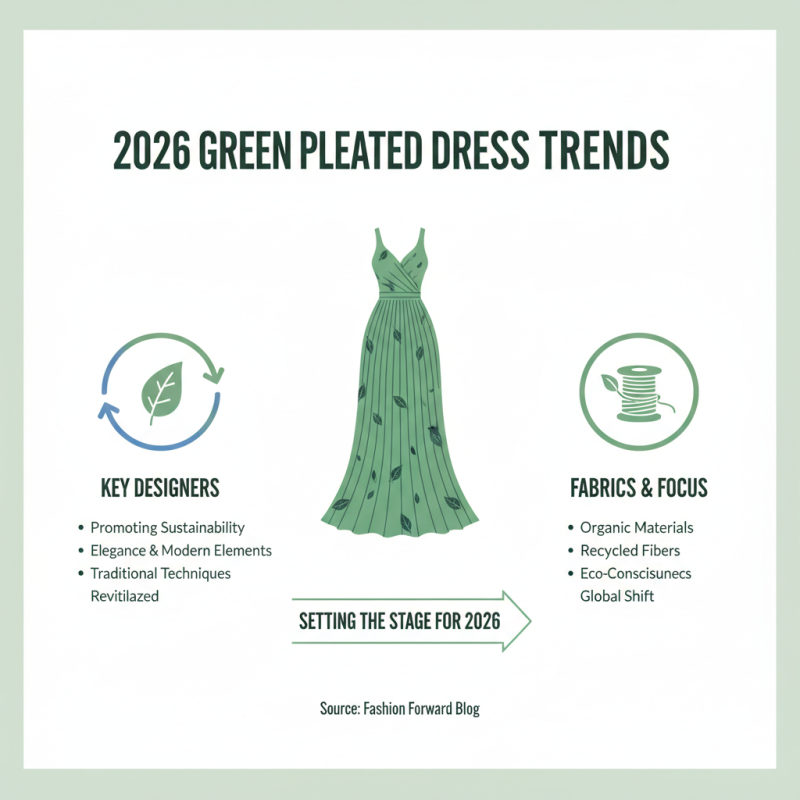
As we look ahead to 2026, green pleated dresses are set to take center stage in fashion. Several key designers are championing this trend, emphasizing sustainability and elegance. They are infusing modern elements into traditional pleating techniques. Fabrics made from organic materials and recycled fibers play a significant role in their collections. This focus on eco-consciousness not only reflects a global shift but also caters to an increasingly aware audience.
Notably, the silhouettes are evolving. Some designs feature asymmetric hems and innovative pleating patterns. These variations invite creativity and comfort. However, keeping up with sustainable practices can be challenging. Designers often face limitations in sourcing materials and production processes. This creates potential inconsistencies in quality and design. Collaboration between brands and eco-friendly fabric producers is essential.
There is a notable shift in consumer preferences towards ethically produced fashion. As 2026 approaches, the pressure on designers to innovate sustainably increases. This encourages a dialogue around transparency in fashion. Buyers are more informed and demand accountability. In this landscape, green pleated dresses stand as both a fashion statement and a reflection of conscientious living.
Sustainable Sourcing: Eco-Friendly Materials for Pleated Dresses
The demand for eco-friendly materials in fashion is on the rise. According to a recent report from the Global Fashion Agenda, sustainable fashion is projected to grow by 10% annually. This trend is driven by consumers seeking green options in their wardrobes, particularly with pleated dresses.
Sustainable sourcing is key to this movement. Materials like organic cotton, Tencel, and recycled polyester are gaining popularity. They offer lower environmental impacts compared to traditional fabrics. A recent study found that using Tencel can reduce water consumption by 50%. This statistic is compelling for buyers focused on sustainability.
However, not all eco-friendly fabrics are without flaws. Some recycled materials can still have a high carbon footprint due to processing. Buyers need to be cautious. Transparency in sourcing is vital for assessing the true environmental impact. The challenge lies in balancing style and sustainability while ensuring the dress's longevity. As the trend evolves, brands must prioritize genuine practices over greenwashing.
Best Green Pleated Dress Trends for Global Buyers in 2026
| Trend |
Material |
Color Palette |
Target Market |
Price Range (USD) |
| Nature-Inspired Pleats |
Organic Cotton |
Earth Tones |
Eco-Conscious Consumers |
$80 - $150 |
| Minimalist Chic |
Recycled Polyester |
Pastels |
Young Professionals |
$100 - $200 |
| Bold Prints |
Bamboo Fabric |
Vibrant Colors |
Fashion-Forward Shoppers |
$120 - $250 |
| Layered Textures |
Tencel Lyocell |
Muted Neutrals |
Sustainable Fashion Enthusiasts |
$90 - $180 |
| Timeless Elegance |
Hemp Blends |
Classic Black and White |
Luxury Market |
$200 - $400 |
Cultural Influences on Green Pleated Dress Styles Worldwide in 2026
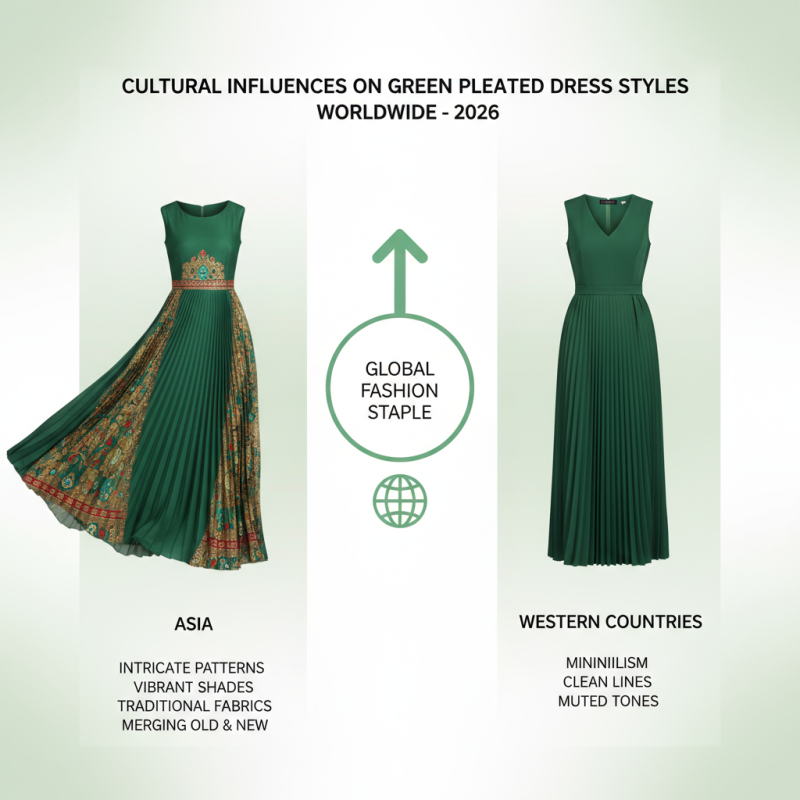
Green pleated dresses are becoming a global fashion staple in 2026. Their styles reflect cultural influences from various regions. In Asia, intricate patterns and vibrant shades complement the flowing pleats. The dresses often feature traditional fabrics, merging old and new aesthetics. In contrast, Western trends tend to embrace minimalism, focusing on clean lines and muted tones. This divergence showcases how cultural heritage shapes fashion choices.
Fashion designers also draw inspiration from nature. In Africa, colorful prints and bold silhouettes celebrate heritage, while lighter fabrics allow for comfort in warmer climates. Each region brings unique elements that enrich the design landscape. Yet, this diversity may lead to mashups that sometimes feel disconnected. Designers must find balance amid global styles, ensuring authenticity is not lost.
Moreover, the choice of green as a color symbolizes environmental awareness. Many buyers prioritize sustainable practices in fashion. However, not all brands deliver on these promises. Transparency remains crucial. Consumers want to know the origin of materials and production methods. Ethical considerations are becoming central to the purchasing decision, reminding us to stay attentive to our impacts.