Leave Your Message

Top Pleated Dress Trends for Global Buyers

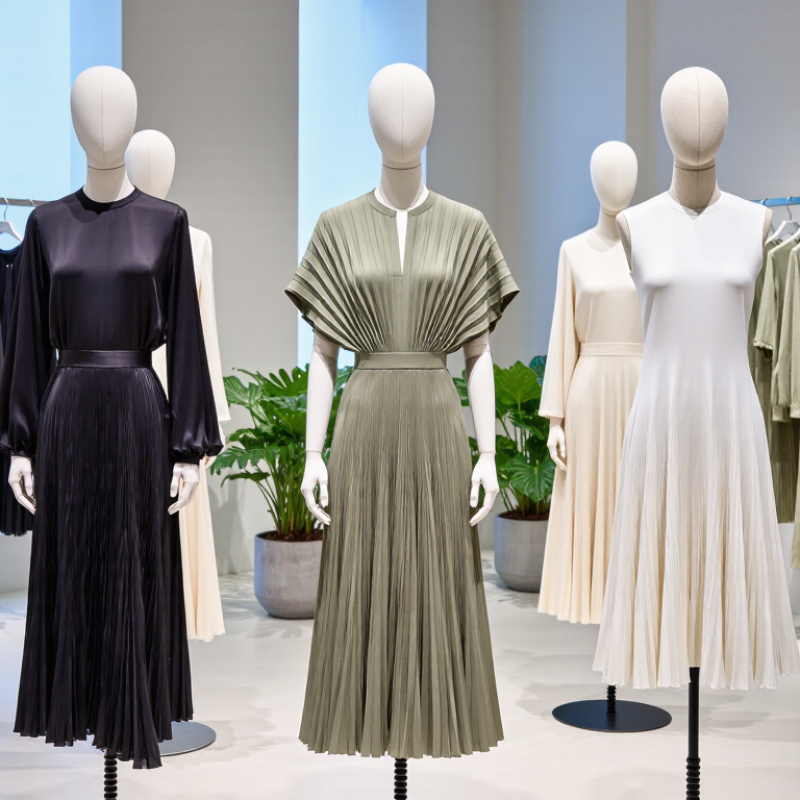
Pleated Dress trends are gaining attention as global buyers seek garments that combine movement, texture, and commercial flexibility. The McKinsey and BoF State of Fashion 2025 report forecasts only low single-digit growth for the global fashion industry. That slower outlook makes precise product selection more important. Buyers cannot rely on visual appeal alone.

Recent market research from Grand View Research values the global apparel market at approximately USD 1.79 trillion in 2023. Its forecast also indicates continued growth through 2030. This scale creates opportunity, but competition remains intense. Accordion pleats, knife pleats, and soft sunray pleats are appearing across occasionwear and everyday collections. Matte satin adds a polished surface. Lightweight jersey improves comfort and reduces stiffness during movement. Recycled polyester can support sustainability goals, although certification and traceability still require careful checking.

Details matter. A buyer should examine pleat recovery after washing, seam stability, fabric shrinkage, and packing performance. A beautiful sample may arrive creased beyond recovery after long-distance transport. That risk is easy to underestimate. Suppliers should provide measurable fabric specifications, test records, size grading, and realistic production timelines. The Global Fashion Agenda continues to emphasize transparency and circularity across the fashion supply chain, yet progress remains uneven between markets.

No forecast is perfect. Trend reports can also overstate novelty. A commercially strong Pleated Dress may use a familiar silhouette with better fabric, cleaner finishing, and adaptable colors. Black, ivory, soft blue, and muted olive often support broader retail planning. Global buyers should compare runway direction with regional climate, customer age, price targets, and return data. Practical judgment remains essential.

Top Pleated Dress Trends for Global Buyers

Pleated Dress Fundamentals: Structure, Fabrics, and Defining Features

A pleated dress begins with structure. Buyers should inspect how the pleats start, continue, and finish at the hem. Even spacing creates a controlled silhouette, while uneven folds can make the garment look careless. Waist placement matters too. High pleats lengthen the body visually, while lower pleats create softer movement. A stable waistband and clean seam allowance help the dress keep its shape during packing and transport.

Fabric determines whether pleats look sharp or relaxed. Polyester blends usually hold narrow pleats well and resist heavy wrinkling. Rayon and lightweight cotton offer a softer drape, but their folds may flatten with wear. Satin can create elegant light reflection, yet it may highlight small construction flaws. During sampling, buyers should test recovery after sitting, washing, and steaming. One inspection is not enough.

Small details define the final product. Check lining length, hem balance, waistband comfort, and zipper placement. A lining that ends too early may cling to the outer fabric. Pleats also need enough space for walking, especially around the hips. Care labels should match the tested fabric behavior and provide clear maintenance guidance for different markets. No pleat stays perfect forever. That is worth admitting. Overly rigid folds can look attractive in photographs but feel uncomfortable in real use. A practical dress must balance visual order, movement, and reliable performance.

Top Pleated Dress Trends for Global Buyers - Pleated Dress Fundamentals: Structure, Fabrics, and Defining Features

Pleated Dress Trend Pleat Structure Common Fabric Choices Defining Features Typical Silhouette Buyer-Relevant Considerations
Accordion Pleats Narrow, regular folds that expand and contract like an accordion. Polyester chiffon, georgette, lightweight satin, and fine jersey. High visual movement, consistent vertical texture, and good drape. Fluid midi or maxi dress with a fitted or softly shaped bodice. Confirm pleat recovery after stretching, seam allowance control, and the required care method.
Knife Pleats One-directional folds with a clean, sharp appearance. Polyester twill, crepe, wool blends, cotton blends, and uniform-weight woven fabrics. Tailored surface definition and controlled fullness. A-line midi, pleated skirt dress, or structured shirt dress. Check fold alignment, waistband stability, and whether the fabric can hold a crisp press.
Box Pleats Two opposing folds create a flat, rectangular panel. Cotton poplin, linen blends, wool blends, polyester suiting, and medium-weight twill. Architectural volume, balanced symmetry, and a polished finish. Fit-and-flare, belted shirt dress, or panelled midi dress. Allow sufficient fabric volume and evaluate bulk at the waist and side seams.
Sunray Pleats Pleats radiate from a narrow point and gradually widen toward the hem. Polyester satin, crepe, chiffon, and lightweight synthetic blends. Directional flare, elegant movement, and a fitted appearance around the hips. High-waisted midi or maxi dress with a close-fitting upper section. Review radial symmetry, hem consistency, and the transition between smooth and pleated areas.
Micro-Pleat Dresses Very fine, closely spaced pleats create a finely textured surface. Stretch polyester, lightweight jersey, mesh-backed fabric, and fine synthetic blends. Packable texture, stretch-friendly comfort, and a contemporary surface effect. Relaxed column, body-skimming midi, or travel-focused maxi dress. Test stretch recovery, opacity, seam durability, and dimensional stability after washing.
Mixed-Pleat Panels Combines two or more pleat widths or directions within one garment. Crepe, satin, chiffon, polyester blends, and contrasting lightweight woven fabrics. Graphic contrast, engineered volume, and a more distinctive fashion statement. Colour-blocked midi, asymmetric maxi, or panelled occasion dress. Require precise pattern matching, careful pressing, and clear quality standards for panel placement.
Pleated Slip Dress Soft vertical or sunray pleats applied to a lightweight, lingerie-inspired base. Silky polyester, satin, cupro, viscose blends, and lightweight crepe. Slim straps, fluid drape, low bulk, and occasion-to-evening versatility. Bias-inspired column or softly flared midi and maxi dress. Assess lining coverage, strap adjustability, fabric snag resistance, and transparency under lighting.
Pleated Shirt Dress Pleats are integrated with a shirt-style bodice, placket, collar, or yoke. Cotton poplin, Tencel or lyocell blends, polyester crepe, and cotton-polyester blends. Combines utility details with feminine volume and everyday wearability. Belted midi, relaxed maxi, or tailored waist-seamed dress. Check button strength, collar shape, pocket placement, and whether pleats interfere with movement.
Occasion Pleated Dress Fine accordion, sunray, or knife pleats combined with refined construction. Satin, chiffon, georgette, metallic-effect polyester, and silk blends. Elevated sheen, graceful movement, refined trims, and event-ready styling. Long-sleeve midi, sleeveless maxi, or wrap-inspired evening dress. Prioritise lining quality, colourfastness, crease presentation, and secure finishing at closures and hems.
Core Product Checks: pleat consistency, fabric recovery, seam security, lining coverage, dimensional stability after care, colourfastness, and accurate measurement after pleating.

Key Pleated Dress Trends Shaping Global Fashion Markets

Top Pleated Dress Trends for Global Buyers

Pleated dresses are shaping global fashion markets through movement, texture, and practical styling. Fine knife pleats remain popular for midi silhouettes, while wider accordion pleats create stronger evening volume. Lightweight recycled polyester and breathable blends support different climates. Buyers are also requesting softer linings, flexible waistbands, and modest necklines for wider regional appeal. Earth tones, mineral blue, and muted coral are gaining attention beside classic black and ivory. These colors photograph well and remain adaptable across seasons.

From reviewing international assortments, I have noticed that comfort now influences purchasing decisions as much as appearance. Buyers often check pleat recovery, fabric shrinkage, colorfastness, and size grading before confirming production. Small details matter. A dress may look elegant on a sample model but feel restrictive during movement. That mistake is easy to overlook. Regional fit preferences also vary, so standard measurements should not be treated as universal.

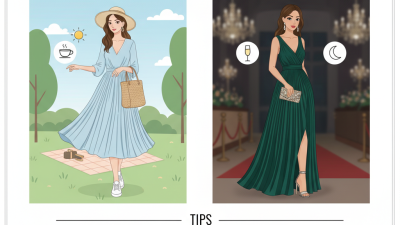
Tips: Request fabric swatches before ordering. Test pleats after washing. Check lining breathability in warm markets. Offer two length options when possible. Keep care instructions clear and realistic. A lower minimum order can help buyers test unfamiliar colors, although it may increase unit costs. Suppliers should document measurements, fabric composition, and inspection results for dependable communication.

Popular Pleat Styles for Different Silhouettes and Occasions

Accordion pleats bring movement to dresses without adding heavy volume. They suit A-line and straight silhouettes, especially for office wear or daytime events. Fine knife pleats create a cleaner, sharper appearance. They work well on fitted bodices and midi skirts. Buyers should check pleat recovery after pressing and packing. Poor recovery can leave uneven channels after shipping. That detail is easy to overlook.

Sunray pleats widen toward the hem, creating a soft flare for weddings, dinners, and resort occasions. Box pleats offer more structure and suit shirt dresses or fuller body shapes. They can provide comfortable movement around the hips. However, heavy fabric may make them appear stiff. I once underestimated this effect when comparing samples under bright showroom lighting. Natural light revealed a much harsher shape.

Tips: Match pleat depth with the silhouette. Use narrow pleats for fluid fabrics and deeper pleats for structured materials. Ask for fabric composition, stretch recovery, lining details, and care instructions before placing larger orders. Test one sample after washing and steaming. A beautiful sample is not enough. Check size consistency across several pieces. Suppliers should also confirm how pleats are protected during folding, since careless packing can flatten delicate sections.

Top Pleated Dress Trends for Global Buyers

Popular pleat styles are matched with dress silhouettes according to movement, structure, volume, and occasion suitability. Scores use a 1–10 styling index, where 10 indicates the strongest practical match.

Accordion and knife pleats offer the broadest commercial versatility, while sunray pleats perform especially well in fluid evening and occasionwear silhouettes. Box pleats are best suited to structured styles that require controlled volume.

Material, Sizing, and Quality Standards for International Buyers

Top Pleated Dress Trends for Global Buyers

Pleated dresses are moving toward lighter fabrics, sharper textures, and easier fit adjustments. Textile Exchange’s Materials Market Report 2023 states that polyester made up 54% of global fiber production in 2022. This explains its popularity in pleated styles: it holds folds well, dries quickly, and reduces deep creasing during transport. However, recycled content can vary in strength and appearance. Buyers should request fiber composition tests, colorfastness results, and wash samples before placing large orders. The fabric may look elegant but feel harsh against skin.

Sizing requires more than choosing small, medium, or large. ISO 8559-1 supports consistent body measurement practices, while ASTM D5585 provides reference measurements for women’s apparel. Suppliers should submit finished-garment measurements, not only body charts. Check bust ease, waist placement, skirt length, and pleat recovery after washing. A two-centimeter difference at the waist can change the entire silhouette.

Small detail. Samples should be measured after one wash and one steam treatment.

Quality inspection should follow a documented sampling plan. ISO 2859-1 offers procedures for inspection by attributes, including acceptable quality limits. Buyers can define limits for open seams, uneven pleats, shade variation, and loose threads before production. Textile Exchange reports that global fiber production reached about 116 million tonnes in 2022, increasing pressure on material transparency. Traceability paperwork helps, but it is not proof of perfect production. In practice, some inspection records remain incomplete. That weakness deserves review.

Sourcing, Customization, and Purchasing Considerations Worldwide

Top Pleated Dress Trends for Global Buyers

Global buyers are showing strong interest in accordion pleats, soft knife pleats, and mixed pleat panels. These details add movement without heavy decoration. Lightweight polyester, recycled fibers, and wrinkle-resistant blends suit long-distance shipping. However, fabric choice changes the final appearance. A glossy cloth can make pleats look sharper, while matte fabric creates a quieter effect.

Sourcing should begin with a clear technical sheet. Include pleat width, dress length, fabric weight, lining content, color code, and measurement tolerance. Request a physical sample before placing a larger order. I have seen beautiful digital samples fail after washing. Pleats may relax, seams may twist, or the hem may become uneven. A simple wash test can reveal these problems early. It is not glamorous, but it saves time.

Customization works best when buyers control fewer variables at once. Adjusting the neckline, sleeve shape, and pleat direction together can make fitting difficult. Ask suppliers about minimum order quantities, sample fees, production timing, packing methods, and inspection procedures. Check color consistency between batches, especially for pale shades and metallic finishes. Measurements should follow one agreed chart, with tolerances recorded clearly. Buyers should also confirm fiber labeling, care instructions, and packaging requirements for each destination. Regional preferences matter. Some markets favor modest midi lengths, while others prefer shorter, flowing silhouettes. Trends change quickly. A practical purchase plan should leave room for small revisions.