How to Source Pleated Dresses in 2026?
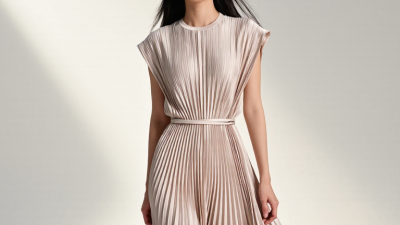
Sourcing a Pleated Dress in 2026 takes more than finding an attractive sample. Buyers need to understand how fabric, construction, and finishing work together. A crisp accordion pleat behaves differently from a soft knife pleat. The difference shows up under store lights, after movement, and sometimes after washing. Small details matter.
Pleating pioneer Issey Miyake once said, “Design is not for philosophy, it’s for life.” That idea is useful here. A dress must look considered, but it also needs to feel comfortable and keep its shape in real use. This guide examines how to assess suppliers, compare fabric options, request samples, and check production consistency. It also looks at practical questions: Are pleats heat-set? Does the supplier document fabric composition? Can the sample be tested after care?
A polished sample can still mislead. Pleats may relax, seams may pull, and color can shift between batches. These risks do not make sourcing impossible. They make clear specifications and honest sample reviews essential. The right supplier should explain limitations, not just promise perfection. This article offers a grounded route from the first inquiry to a more dependable Pleated Dress order. Some decisions will still involve trade-offs. That is worth admitting.

Map 2026 Pleated-Dress Demand by Region, Fiber, and Price Tier
How to Source Pleated Dresses in 2026?
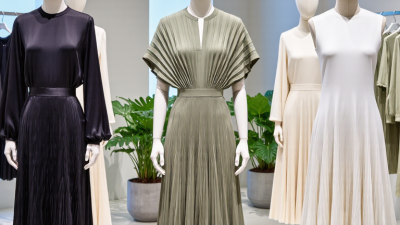
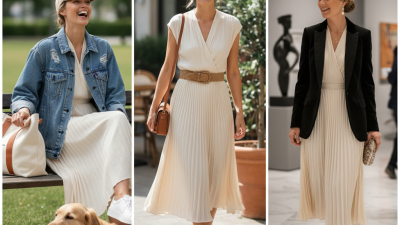
Map demand by region before choosing a fabric or committing to volume. In North America, compare lightweight pleats for warm-weather collections with heavier styles suited to layered dressing. Across Europe, test finer, fluid fabrics alongside structured options; local seasonality and retailer positioning can change the mix. In East and Southeast Asia, check modesty preferences, sizing feedback, and the performance of shorter versus midi lengths. These are starting hypotheses, not universal regional rules. Use recent retailer sell-through and customer returns to validate them.
Fiber choice affects cost, hand feel, and sourcing risk. Textile Exchange’s Materials Market Report 2024 estimates that global fiber production reached 124 million tonnes in 2023, with polyester accounting for about 57%. That scale makes polyester easy to find, but it does not guarantee the right drape or durability. Compare recycled and virgin options using supplier documentation, fabric swatches, and wash tests. Then map target retail prices to landed cost, fabric consumption, pleating, and expected markdowns. Price tiers vary by market, so avoid assuming one global ladder.
Tips: Build a small regional test order before scaling. Track sell-through by fiber, length, and price tier—not just total units. Pleats can lose shape. A rushed wash test may miss it. I would revisit these assumptions after a full selling season; one season is useful, but rarely conclusive.
Specify Pleat Type and Fabric Using ISO 139’s 20°C/65% RH Test Climate
How to Source Pleated Dresses in 2026?
Pleat selection should begin with a controlled fabric test. ISO 139:2011 specifies a standard atmosphere of 20 ±2°C and 65 ±4% relative humidity. Condition fabric and finished samples there before measuring pleat depth, recovery, and shrinkage. This matters because humidity changes fiber behavior, especially in cellulose blends.
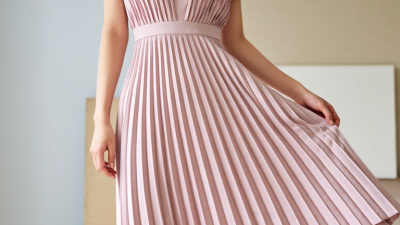
Record whether the design uses knife, box, accordion, or crystal pleats. Then specify pleat width, direction, spacing, and acceptable tolerance. A supplier should return measurements after conditioning, not only fresh samples.
The Textile Exchange Materials Market Report 2024 estimates global fiber production reached 124 million tonnes in 2023. It may approach 160 million tonnes by 2030. This growth increases material choices, but it also increases sourcing risk. Recycled fibers, viscose blends, and lightweight synthetics can respond differently to heat-setting.
A common mistake is approving appearance before testing laundering and humidity recovery. The uncomfortable truth: a beautiful sample can be technically unstable.
Tips
Ask for ISO 139 conditioning records. Test three dress sizes. Measure pleats before and after washing. Photograph the fabric beside a millimeter ruler. Keep one failed sample for comparison. Do not approve vague terms like “permanent pleats.” Define the result numerically, such as a 3% maximum width change after testing. Some suppliers may resist this detail. That resistance deserves investigation.
Verify Cost, Traceability, and Compliance Before Placing the Production Order
Before placing a production order for pleated dresses in 2026, request a cost breakdown tied to the actual sample. Check fabric consumption, pleating labor, lining, trims, packaging, and shipping separately. Pleated fabric can require extra yardage, and a small change in pleat depth may alter both yield and price. Ask whether quoted costs assume a particular fabric width or finishing method. Details matter.
Traceability should be specific, not just a supplier’s general assurance. Ask for the mill name, fabric composition, country of origin, and available transaction records for the materials in your order. Match those details against swatches, invoices, and sample labels. Keep dated copies. A spreadsheet helps, though it can still contain errors; have someone verify the entries against source documents.
Confirm which product and chemical-safety requirements apply in each destination market, then request relevant test reports and written documentation before approving bulk production. Check that reports identify the correct fabric and colorway, not merely a similar item. Review care-label wording, fiber-content claims, and packaging details too. Do not treat a certificate as proof that every production batch complies. If a supplier cannot explain a missing document or an unexpected cost, pause and clarify it in writing. That delay may feel inconvenient. It is less costly than discovering the gap after delivery.