How to Choose a Pleated Skirt Dress in 2026?
Choosing a Pleated Skirt Dress in 2026 requires more than following a seasonal color or viral silhouette. The decision sits between comfort, durability, fit, and responsible consumption. McKinsey and The Business of Fashion’s State of Fashion 2025 report describes fashion growth as modest, with consumers demanding clearer value. That shift matters. A beautifully pleated dress should earn its place in a working wardrobe.
The resale market adds another useful signal. ThredUp’s 2025 Resale Report projects the global secondhand apparel market could reach $367 billion by 2029. This suggests buyers increasingly assess fabric quality, repairability, and long-term appeal. A sharp waist seam, even pleats, and washable material may matter more than a dramatic runway detail. Not every pleat behaves well. Some collapse after one sitting.
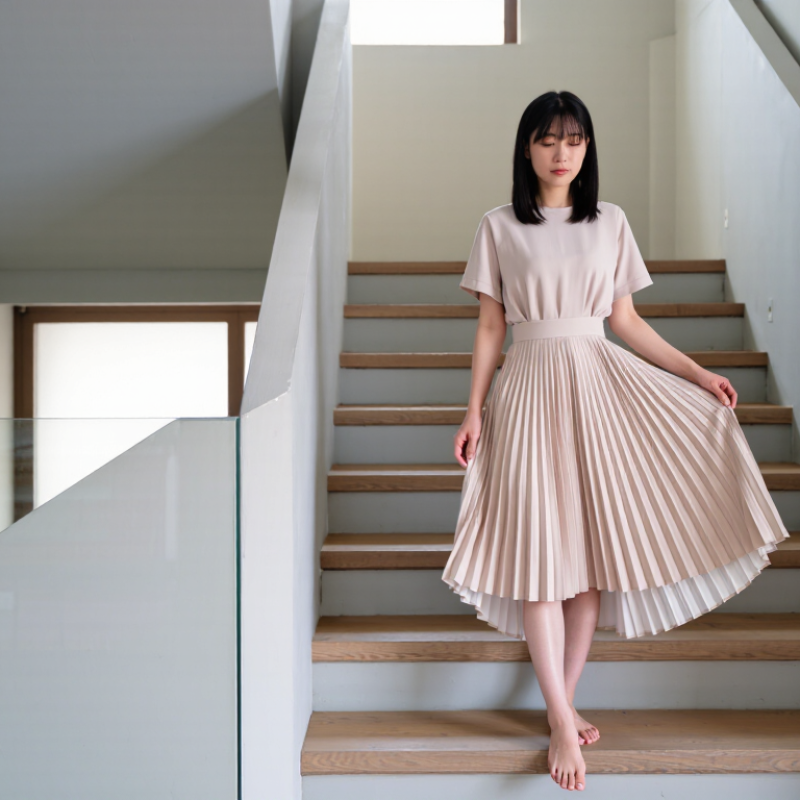
Issey Miyake, widely recognized for transforming pleating through technical experimentation, said, “Design is not for philosophy—it is for life.” That principle offers a practical starting point. The right Pleated Skirt Dress should move easily on stairs, hold its shape under a coat, and feel comfortable after several hours. Check the lining. Test the waistband. Sit down before buying.
This guide examines fabric weight, pleat construction, proportion, sizing, care labels, and occasion. It also questions common assumptions. More pleats do not automatically create better movement. A lower price does not always mean better value. Small details often decide whether the dress remains useful beyond one season.
Define Your Pleated Skirt Dress Style and Intended Occasion
How to Choose a Pleated Skirt Dress in 2026?
Your occasion should lead the choice, not a passing trend. A pleated skirt dress for an office needs calm movement and a polished shape. Choose a midi length, defined waist, and pleats that hold their structure. For a garden ceremony, lighter fabric and softer folds feel more natural. Check the venue carefully. Uneven ground can make a long hem inconvenient.
Think about your personal style before checking seasonal colors. Do you prefer clean tailoring, romantic volume, or relaxed simplicity? The answer narrows your fabric and silhouette choices. Fine pleats create a delicate effect, while wider pleats look more confident and architectural. In my fitting experience, the waistband matters most. It should sit securely without pressing after ten minutes of sitting. Small details matter.
Test the dress in motion. Walk, sit, turn, and raise your arms. Watch whether the skirt twists or pulls across the hips. Natural fibers may breathe better, but they can crease during travel. Blended fabrics often recover more quickly, though they may feel less soft. There is no perfect choice. I once favored dramatic pleats, then found them impractical on crowded public transport. That mistake changed how I judge occasion and comfort together. Check care instructions, lining, and transparency under daylight before buying. Your mirror may flatter the dress. Real life is stricter.
Compare Pleat Types, Fabrics, and Seasonal Comfort
How to Choose a Pleated Skirt Dress in 2026?
Choosing a pleated skirt dress in 2026 starts with movement, not a trend forecast. I examine the pleats while walking, sitting, and climbing stairs. Knife pleats create crisp, even lines for polished daytime outfits. Box pleats add structure, but they may feel bulky around the waist. Accordion pleats move softly and suit relaxed styling. For fuller hips, check where the pleats open. A fitting-room mirror can hide this detail.
Fabric often affects comfort more than pleat shape. Lightweight polyester keeps folds stable and dries quickly during humid spring weather. Cotton breathes well in summer, but its pleats may soften after washing. Wool blends provide autumn warmth, although they can feel heavy after hours of wear. Satin looks elegant, yet it can reveal pulling under bright light. I once chose appearance over breathability and regretted it by lunchtime. A lined winter dress needs room for a thin base layer.
Tips:
Test the dress with your usual shoes. Sit for five minutes. Check whether the waistband twists. Read the care label carefully. If the fabric feels scratchy in the store, it probably will not improve at home. Consider adjustable waist details for changing seasonal layers.
Choose the Right Fit, Length, and Waist Placement
How to Choose a Pleated Skirt Dress in 2026?
Fit should follow your body, not only the size label.
Measure your bust, natural waist, and fullest hip with a relaxed tape. Compare those numbers with the garment’s measurement chart.
The U.S. National Retail Federation and Appriss Retail reported that 16.9% of retail sales were returned in 2024.
For dresses, poor fit remains a practical reason to reconsider a purchase. I prefer a bodice that follows the ribs without pulling across the pleats. Sit down before buying. The waist should stay comfortable, not dig into your stomach.
Length changes the dress’s visual balance.
A midi hem usually works best when it ends at the slimmer part of the calf, rather than its widest point. If you are petite, a hem just below the knee can show more leg and reduce bulk. Taller wearers may find a longer midi more balanced. This is not a rule. Fabric weight matters too.
The McKinsey State of Fashion 2025 report emphasizes stronger value-conscious shopping, so a versatile length can improve cost per wear.
Waist placement deserves close attention.
A high waist can lengthen the legs, while a dropped waist gives a relaxed, modern line. Check where the seam sits when you raise your arms. It should not climb toward your ribs. I sometimes choose a higher waist for photographs, then regret it after lunch. That small failure taught me to test movement, breathing, and sitting before trusting the mirror. Loose pleats need room. Otherwise, they open unevenly across the hips.
Match Colors, Patterns, and Details to Your Wardrobe
How to Choose a Pleated Skirt Dress in 2026?
Choosing a pleated skirt dress starts with your existing wardrobe, not seasonal trends.
I usually begin with three colors already hanging in my closet. Navy, cream, olive, and soft gray often coordinate easily with everyday shoes and jackets. Warm wardrobes may suit rust, camel, or muted yellow. Cooler collections can welcome blue, berry, or charcoal. Still, color charts are only guides. Skin tone, fabric shine, and indoor lighting can change the result.
Try the dress near a window. Check it in daylight. This matters.
Patterns need equal attention.
Small prints can feel quiet and practical, while large geometric designs create a stronger focal point. Match the pattern’s background to a simple garment you already own. A cream floral dress may work with a brown cardigan and plain loafers. Details also affect versatility. A defined waist can sharpen the silhouette, but tight elastic may become uncomfortable after several hours.
Choose pleats that recover smoothly after sitting. Test them gently in the fitting room.
I once chose a bright dress because it photographed beautifully. It looked less balanced with my daily clothes. That mistake taught me to inspect the full outfit, including my usual bag and outer layer.
Personal style is not perfectly predictable. Leave room for honest reconsideration.
Check Quality, Care Requirements, and Overall Value
In 2026, choosing a pleated skirt dress should begin with construction, not the mirror. I check whether each pleat returns after gentle hand compression. Look closely. Uneven folds often reveal weak heat-setting or rushed finishing. Inspect the waist seam from inside. It should lie flat, with secure stitching and no loose threads. Hold the skirt toward a window; a thin, scratchy lining or visible seam allowance may signal poor comfort. I also test the zipper slowly. Small details matter.
Textile Exchange’s 2024 Materials Market Report records 124 million tonnes of global fiber production in 2023, with output projected to reach 160 million tonnes by 2030. That scale makes durability a practical responsibility, not merely a style preference. A heavier, resilient fabric can cost more upfront, yet it may keep its shape through many wears. Still, “premium” is not proof. I have misjudged fabric by touch before.
Check the care label before paying. Pleats may need cool washing, low spin, and careful reshaping while damp; some fabrics require professional cleaning. Never assume steaming is harmless. Test a hidden area first, then hang the dress on a broad hanger, supporting the pleats instead of crushing them. WRAP’s Valuing Our Clothes report estimates that extending a garment’s life by nine months can reduce its carbon, water, and waste footprints by 20–30 percent. Calculate value per wear, including cleaning costs. A cheaper dress is not cheaper if it loses its pleats after three washes. That is the uncomfortable part.
How to Choose a Pleated Skirt Dress in 2026?
Compare common fabric constructions by shape retention, wrinkle resistance, washability, and overall care convenience. Ratings are indicative material-property scores on a 1–5 scale and do not represent any company or brand.
Buying tip: Look for stable pleats, even stitching, secure seams, and a care label that matches your lifestyle. Polyester blends usually retain pleats and resist wrinkles well, while cotton blends can feel breathable but may need more pressing. Wool blends often offer strong shape retention but commonly require gentler care.