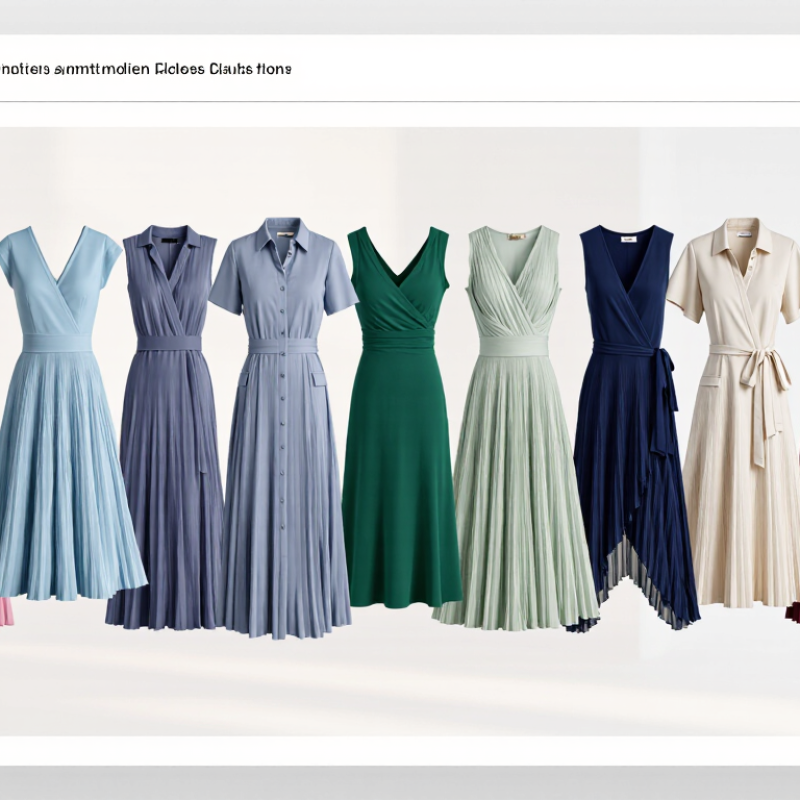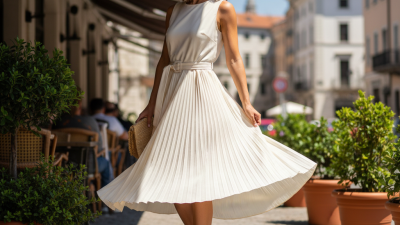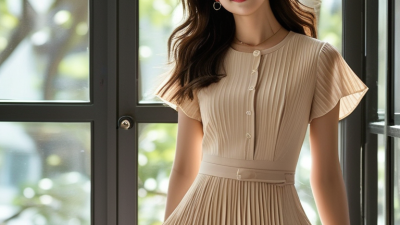
A Pleated Midi Dress can move easily from a weekday meeting to a relaxed dinner. Its swaying skirt adds texture without needing much styling. Still, not every pleat hangs the same way. Fine, narrow folds can feel polished, while wider pleats create more movement and volume. Fabric matters just as much. A crisp material holds its shape; a softer one follows the body and may wrinkle during a long day.
This guide explores ten options for different occasions, from light daytime dresses to more structured styles for celebrations. Look closely at the waist, lining, sleeve shape, and hem. These details affect comfort as much as appearance. A fitted waistband may define the silhouette, but it can feel restrictive after hours of sitting. Small details matter. Check product measurements against a dress you already own, and read care instructions before buying. Some pleats need careful washing or steaming to stay neat.
There is no single best dress for everyone. Height, preferred coverage, climate, and personal comfort all change what works. A pale shade may look lovely in a product photo but require a slip in bright daylight. A dramatic skirt can catch the eye, yet feel impractical on a crowded commute. That trade-off deserves attention. The picks ahead balance style with everyday considerations, including fabric, fit, versatility, and care. Use them as a starting point, not a strict ranking; the best choice is the one you will actually enjoy wearing.
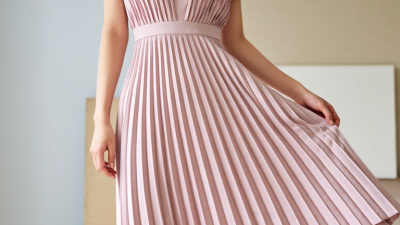
A pleated midi dress has folded fabric that creates repeated ridges, usually beginning at the waist or bodice. Its hem falls between the knee and ankle. Pleats may be pressed flat or stitched at the top, then loosen into movement below. That movement matters. A soft skirt sways while walking; a crisp one holds a cleaner shape. The same cut can feel relaxed with a cotton shirt bodice or dressy in fluid fabric. Pleats do not magically flatter everyone, though: deep folds can add bulk around the hips, and a waistband that twists is distracting.
Fabric choice shapes how versatile the dress feels. Textile Exchange’s Materials Market Report 2024 estimated global fiber production at 124 million tonnes in 2023. That figure does not measure dress quality, but it shows why checking fiber content matters: different fibers drape, crease, and breathe differently. For an office, try a lined, lightly pleated style with a simple jacket. For a daytime gathering, softer folds and flat shoes feel less formal. One caveat: pleats can lose their definition after washing, so follow the care label rather than guessing.
Tips: Check the dress while seated and walking. Do the pleats spread evenly? Does the hem catch on your shoes? A quick mirror test helps, but comfort over a full day matters more.
When comparing pleated midi dresses, check how the pleats behave while walking and sitting. Fine accordion pleats often swing easily, while wider knife pleats create a more structured line. Gently stretch the skirt and see whether the folds recover; fabric weight and construction matter more than a product photo suggests. Textile Exchange’s Materials Market Report 2024 estimates that polyester made up 57% of global fiber production in 2023. That figure describes the wider textile supply, not dress quality, but it helps explain why many pleated styles use synthetic blends. Compare the fiber label, lining, and care instructions before choosing.
Fit can change the whole look. A defined waistband may sit neatly under a jacket, while an elastic waist can feel easier through a long event. Check the hem as you move: it should clear your shoes without twisting around your legs. Hold lighter fabric near a window to assess opacity. A dress can still wrinkle. That part is easy to underestimate, especially when packing.
Tips: For travel, scrunch a small section in your hand and release it. Notice how quickly it smooths out. Also check whether the care label permits washing at home; delicate pleats may need gentler handling than the fabric alone suggests.
Editorial styling-fit scores (1–5) compare how readily a pleated midi dress can suit each occasion with thoughtful choices in fabric, pleat structure, length, and accessories. These are subjective guidance scores, not survey results. Midi hems typically fall between the knee and ankle.
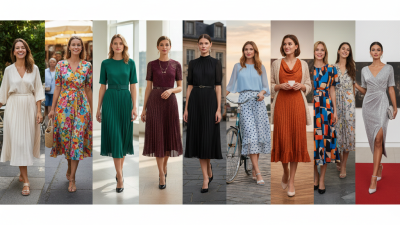
Pleated midi dresses can shift from polished to relaxed with a change of fabric, sleeve, or shoe. For office hours, a crisp shirt dress with fine pleats and a defined waist looks composed without feeling stiff. A solid A-line style suits errands; its swaying hem moves easily while walking. For a long commute, try a soft knit version with flexible pleats. A sleeveless dress in a breathable fabric works for brunch, especially with flat sandals. Small detail, big difference. A floral chiffon style feels at home at a garden gathering, though a lining helps prevent unwanted transparency.
For evening plans, a satin pleated dress catches light gently; keep accessories simple so the fabric stays in focus. A metallic style brings a festive note to celebrations, but a muted shade is often easier to wear again. For an outdoor wedding, choose a lightweight dress with secure straps and a hem that will not drag across grass. A wool-blend midi offers warmth for cool-weather dinners, paired with tights and ankle boots. Comfort matters.
A short-sleeved pleated dress is a useful travel option: it layers under a cardigan and can look neat after hours in a suitcase. Check how the pleats fall when sitting, not just when standing. Some fabrics crease at the waist, and I still find that detail easy to overlook. A quick movement test can reveal whether the skirt swings freely or catches around the hips.
A pleated midi dress moves with every step, so shoes can change its mood quickly. For daytime errands, try clean white sneakers or flat leather sandals with a small crossbody bag. Keep the balance simple. If the skirt is full, a compact bag avoids adding bulk near the hips. A narrow belt can define the waist, but check that it does not interrupt the pleats awkwardly.
For work, choose low block heels, loafers, or pointed flats in a quiet neutral shade. A structured tote and small stud earrings look polished without competing with the fabric. If the hem swings close to your ankles, test the shoes while walking; a heel that catches the lining can become irritating. A cropped jacket also works, though its length may need adjusting to suit your proportions.
For dinner or a celebration, slim heeled sandals and a delicate clutch create a lighter finish. Add one noticeable accessory, such as sculptural earrings or a fine necklace, rather than several statement pieces. I sometimes find that shiny accessories make a soft pleated fabric feel too formal, so matte metal or understated stones may be easier to wear. Check the full outfit in natural light, too; colors can look different indoors.
A pleated midi dress should feel comfortable while standing, sitting, and walking. Check that the waistband rests securely without digging in, and that the hem does not catch under your shoes. A few steps in a fitting room can reveal more than a mirror pose. For fuller pleats, allow room through the hips; fabric that pulls may flatten the folds. Lightweight polyester often keeps its shape, while cotton blends can feel cooler but may crease more readily. Fabric behavior varies, so check the care label before buying.
Tips: Sit down before deciding on the fit. Wash gently as directed, and avoid twisting or wringing the skirt. Hang the dress from its waistband or lay it flat to dry, keeping pleats aligned. Small details matter.
Pleats can soften with wear, and no fabric stays crisp forever. It is wise to be skeptical of “wrinkle-proof” claims; heat, storage, and washing all affect the finish. Use a steamer only if the label permits, holding it away from delicate fibers. If the folds look uneven after washing, reshape them while the dress is damp rather than pressing blindly. That extra check takes a minute, but it can prevent a disappointing result.
| Dress Style | Best Occasion | Typical Fabric | Fit and Detail | Care Tips |
|---|---|---|---|---|
| Classic A-Line Pleated Midi | Office days, lunches, and everyday wear | Polyester or a polyester blend | Fitted through the bodice with a skirt that gradually widens; a versatile choice for many body shapes. | Follow the care label. Wash gently when permitted, avoid high heat, and hang or lay flat to dry to help protect the pleats. |
| Chiffon Pleated Midi | Weddings, garden parties, and dressy daytime events | Lightweight polyester chiffon or silk chiffon | Soft, flowing drape with a light feel; a lining can provide coverage beneath the sheer outer fabric. | Use a delicate cycle or hand-wash only if the label allows. Store on a hanger and keep away from rough or snagging surfaces. |
| Jersey Pleated Midi | Travel, casual outings, and relaxed work settings | Knitted jersey, often cotton-blend or polyester-blend | Stretchy and comfortable, often with a close-fitting top and a softly pleated skirt. | Wash according to the label, preferably with similar colors. Avoid excessive heat, which can affect stretch fibers and garment shape. |
| Cotton Poplin Pleated Midi | Warm-weather days, picnics, and casual gatherings | Cotton poplin | Crisp and breathable with a more structured skirt; a defined waist can create a balanced silhouette. | Check whether the fabric may shrink. Wash as directed and iron or steam on a suitable setting if needed. |
| Satin Pleated Midi | Evening dinners, celebrations, and cocktail events | Polyester satin or silk satin | Smooth surface with a subtle sheen; bias-cut or softly draped versions tend to skim rather than cling. | Use the care method on the label. Turn inside out for washing when permitted, and avoid rubbing or sharp accessories that may mark or snag the fabric. |
| Wrap-Style Pleated Midi | Work, dinners, and occasions that call for an adjustable fit | Viscose, polyester, or a blended woven fabric | Adjustable waist fastening helps accommodate small fit changes; check that the wrap stays secure when moving. | Viscose may shrink or lose strength when wet, so follow the label carefully. Reshape gently and dry without excessive heat. |
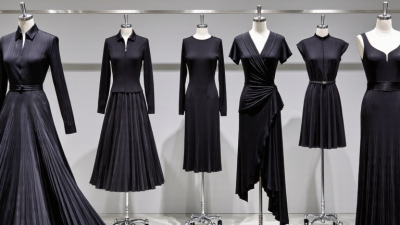
| Long-Sleeve Pleated Midi | Cool-weather workdays, dinners, and seasonal events | Polyester crepe or a lightweight woven blend | More coverage through the arms; a defined waist or cuff can keep the overall shape from feeling oversized. | Wash or dry-clean as directed. Fasten closures before washing and store on a hanger to reduce creasing. |
| Sleeveless Pleated Midi | Summer events, holidays, and warm-weather occasions | Cotton blend, polyester, or lightweight viscose blend | Allows easy layering with a cardigan or jacket; check the armholes and bodice for a comfortable, secure fit. | Use the care label as a guide. Treat perspiration marks promptly with a fabric-safe method and avoid storing the dress while damp. |
| Metallic Pleated Midi | Parties, holiday events, and evening celebrations | Metallic-finish polyester or a coated synthetic blend | Reflective finish adds visual texture; a simple top and minimal accessories help balance the look. | Check the label before washing, as coatings and metallic finishes can be delicate. Avoid high heat, ironing directly on the surface, and abrasive contact. |
| Fine-Pleat Minimalist Midi | Business-casual settings, travel, and day-to-evening wear | Polyester crepe or a lightweight polyester blend | Narrow pleats create a fluid, streamlined look; a simple waistline makes it easy to style for different settings. | Wash gently if permitted, then hang to dry. Use low-heat steaming only when the garment label allows it. |
Fit and care note: Fabric composition, construction, and care instructions vary by garment. Always check the sewn-in care label, and try on a dress while sitting and walking to assess comfort and movement.