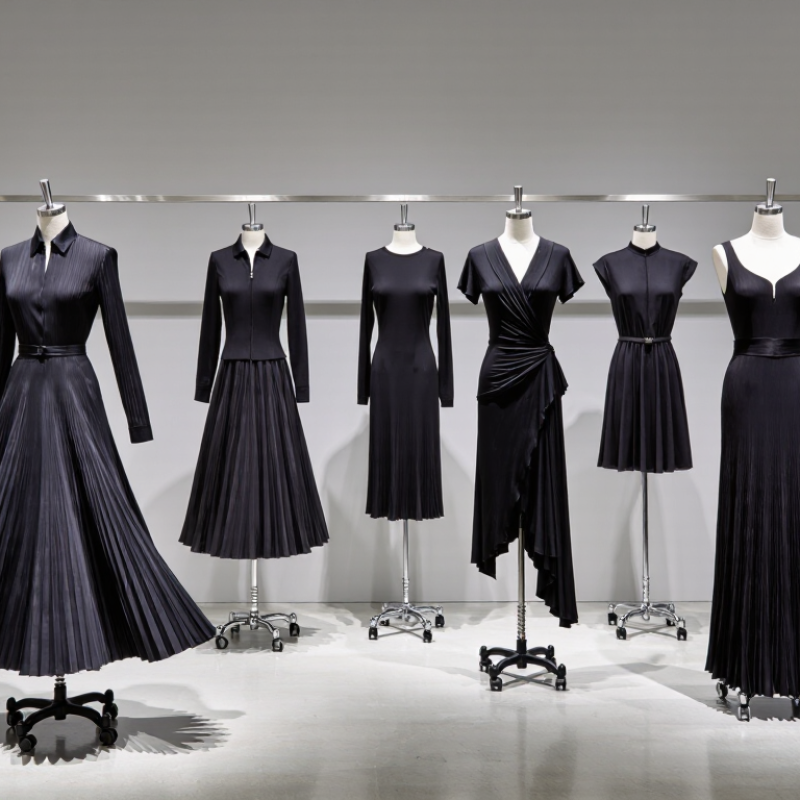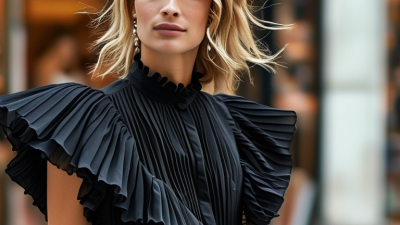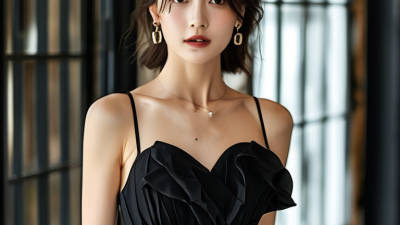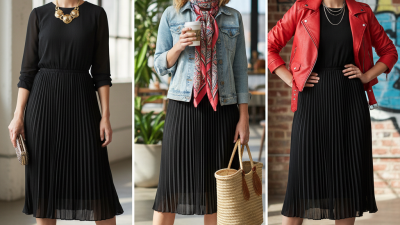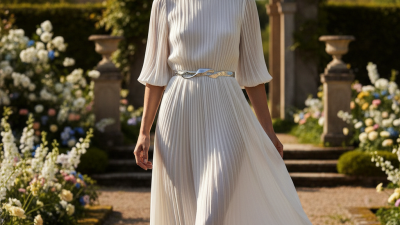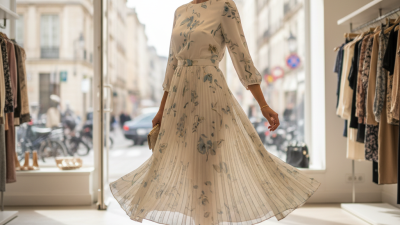
A Black Pleated Dress combines movement, structure, and dependable versatility. It can move from a morning meeting to an evening reception with only a change of shoes. The texture catches light differently with every step. That detail matters.
Industry reports support this practical appeal. McKinsey and The Business of Fashion’s State of Fashion 2025 describes cautious shoppers, slower growth, and stronger demand for value. Euromonitor’s apparel research also highlights consumers’ interest in versatile, durable wardrobe pieces. However, these reports do not isolate the Black Pleated Dress as a separate category. That limitation deserves attention. Fashion data often groups pleated styles within broader dress or womenswear segments.
Issey Miyake, whose work transformed pleating through innovative textile design, once said, “Design is not for philosophy—it is for life.” His view offers a useful standard here. A strong dress should not merely look dramatic on a hanger. It should sit comfortably, recover its shape, and suit real movement. Fabric weight, lining, waistband construction, and pleat stability all influence that experience. Small details matter.
This guide examines seven Black Pleated Dress options for different occasions, from office dressing to formal celebrations. Each choice considers silhouette, fabric behavior, styling flexibility, and likely wear frequency. Some dresses will flatter more than others. No single design works for every body or setting. That is the honest part. The best option is the one that balances elegance with comfort, care requirements, and your actual wardrobe.
A great black pleated dress is defined by movement, structure, and dependable comfort. The pleats should open evenly when you walk, then recover without sharp wrinkles. This matters for office hours, dinners, and formal events. A softly shaped waist adds polish, while a flexible lining prevents the fabric from clinging. Check the hem while sitting. It should remain elegant, not ride awkwardly upward.
Material deserves closer attention. Textile Exchange’s 2024 Materials Market Report estimates that global fiber production reached 124 million tonnes in 2023. It may reach 160 million tonnes by 2030. Choosing a durable fabric can support longer wear, although sustainability claims need careful checking. Look for clear fiber percentages, responsible care instructions, and strong stitching around the pleats. A perfect dress does not exist. Even a beautiful design may feel restrictive after several hours.
Tips: Test the dress under indoor and outdoor light. Black fabrics can reveal shine, lint, or uneven dye. Pair deep pleats with simple shoes and minimal jewelry. For petite frames, narrower pleats may look more balanced. For fuller figures, vertical pleats can create a cleaner line, but comfort should guide the final choice. The Ellen MacArthur Foundation has reported that doubling clothing use could reduce emissions significantly, making repeat wear a practical quality test. If you cannot imagine wearing it five different ways, reconsider the purchase.
| No. | Dress Style | Pleat Type | Typical Fabric | Length | Key Features | Best Occasion | Comfort & Fit Notes | Care Guidance |
|---|---|---|---|---|---|---|---|---|
| 1 | Sleeveless Pleated Midi Dress | Accordion pleats | Polyester chiffon or georgette | Below the knee to mid-calf | High neckline, defined waist, fluid skirt, optional lining | Office events, daytime celebrations, smart-casual dinners | Lightweight and easy to move in; a lined bodice improves coverage | Use a gentle cycle or hand wash; hang to dry and avoid high heat |
| 2 | Long-Sleeve Pleated Wrap Dress | Knife pleats | Polyester crepe or stretch jersey | Midi | Adjustable waist tie, V-neckline, long sleeves, softly pleated skirt | Workwear, conferences, business dinners | The wrap construction accommodates minor waist fluctuations; check neckline coverage | Follow the care label; reshape pleats while damp and avoid aggressive ironing |
| 3 | Pleated Chiffon Maxi Dress | Fine accordion pleats | Chiffon with a polyester lining | Ankle length | Floating skirt, fitted waist, sheer sleeves or yoke, full lining | Evening receptions, formal parties, wedding guest wear | Elegant and breathable in motion; verify hem length before wearing with flat shoes | Hand wash or delicate wash; air dry and use low steam from a distance |
| 4 | Pleated Shirt Dress | Box pleats or inverted pleats | Cotton poplin or cotton blend | Knee to midi | Collar, button front, cuffs, removable belt, structured pleated skirt | Travel, casual Fridays, lunches, everyday wear | More structured than chiffon; a cotton blend can reduce wrinkling and improve comfort | Machine wash according to the label; press the bodice while protecting the pleats |
| 5 | Pleated Slip Dress | Sunray pleats | Satin, recycled polyester, or viscose blend | Midi | Adjustable straps, bias-inspired silhouette, softly flared pleated hem | Date nights, cocktail gatherings, resort dinners | Smooth against the skin; a lightly relaxed cut helps prevent cling | Hand wash or dry clean as directed; store on a padded hanger |
| 6 | Pleated Jersey Day Dress | Soft knife pleats | Viscose jersey with elastane | Knee to midi | Stretch waist, short sleeves, relaxed skirt, minimal fastening | Errands, commuting, casual weekends | Stretch provides all-day ease; select a denser knit for better opacity and support | Wash inside out on a cool setting; lay flat or hang carefully to dry |
| 7 | Pleated Halter Evening Dress | Draped or sculptural pleats | Polyester satin, crepe, or velvet blend | Midi to floor length | Halter neckline, fitted waist, statement pleating, concealed closure | Black-tie occasions, galas, formal evening events | A supportive neckline and secure fastening are important; consider a strapless undergarment | Prefer professional cleaning for satin or velvet; store away from direct sunlight |
Selection criteria include pleat retention, fabric drape, opacity, comfort, versatility, ease of care, and suitability for the stated occasion.
A black pleated dress can look polished without feeling stiff, making it useful for offices and professional events. For a reliable work wardrobe, consider seven practical styles: a pleated midi dress, shirt dress, wrap silhouette, high-neck design, belted style, long-sleeve dress, or tailored shift. Each option offers movement while maintaining a controlled shape.
Midi lengths usually feel appropriate in meetings, interviews, and daytime conferences. Choose pleats that fall evenly and recover their shape after sitting.
I have found that medium-weight fabric performs better than very thin material. Thin pleats can cling under office lighting.
Pay attention to the neckline, sleeve length, and waist placement. A modest V-neck can soften the outfit, while a high neckline creates a more formal impression. Add a structured jacket for presentations or client appointments.
Low-profile shoes and simple jewelry keep the pleats visually balanced. Avoid excessive sparkle or very dramatic volume. It may look elegant in a fitting room, yet distracting at a conference table. I once underestimated pocket placement; bulky pockets changed the dress’s line. Small details matter more than expected.
Tips:
Check the dress while seated. Test it under bright light. Steam pleats gently, never press them flat. Choose breathable lining for long events. Keep accessories quiet. If the dress feels too plain, add texture through a belt or refined watch. A slightly imperfect fit can be corrected, but poor fabric recovery is harder to fix.
A black pleated dress can move from wedding guest attire to evening formalwear with careful styling. For daytime weddings, choose a midi dress with soft pleats, capped sleeves, and a modest neckline. A lighter fabric feels less severe under sunlight. For cocktail parties, a halter or one-shoulder design adds movement without excessive decoration. A tea-length dress suits garden venues, while a floor-length pleated gown creates stronger formal impact. Keep accessories restrained when the pleats already provide texture.
The Knot’s 2024 Real Weddings Study reported an average U.S. wedding cost of about $33,000, making versatile guest clothing a practical choice. For formal occasions, select lined fabric, stable pleats, and enough room for sitting comfortably. A belt can shape a loose silhouette, but it may interrupt the dress’s rhythm. I would test the garment under flash photography, too. Some black fabrics appear flat or reveal lining details. For parties, metallic shoes or sculptural earrings can sharpen the look; for weddings, avoid anything that competes with the couple’s ceremony. WRAP’s Valuing Our Clothes report found that extending a garment’s life by nine months can reduce its environmental impact by up to 20–30%. That supports choosing a well-made pleated style rather than a disposable trend. Still, not every black dress works everywhere. Dress codes, weather, and venue lighting matter.
Casual black pleated dresses work well for office days, coffee runs, and relaxed dinners. Look for soft jersey, lightweight cotton, or breathable blended fabric. These materials move easily without feeling overly formal. A midi length offers practical coverage and suits many body shapes. Short sleeves feel useful in warm weather, while three-quarter sleeves add modesty during cooler seasons. I prefer gentle pleats because they create movement without adding too much volume around the waist.
The best everyday styles usually have simple necklines and comfortable waist placement. An elastic waist can make long days easier, though it may lose shape over time. A defined waistband looks polished but should never dig into your skin.
Pair the dress with clean sneakers, flat sandals, or ankle boots. Add a washable cardigan for changing temperatures. I once chose a dress with very narrow pleats, and it wrinkled more than expected. That small mistake changed how carefully I check fabric care labels.
Tips: Check the pleats after sitting down. They should fall evenly, not twist across your hips. Measure your bust, waist, and preferred dress length before ordering. Black fabric can still look different under indoor lights, so inspect its texture closely. Wash delicate pleats according to the care label, and avoid high heat when possible. A simple belt can refresh the shape, but it is not always necessary.
A black pleated dress can move from office hours to evening plans with small styling changes. The best choice depends on fit, fabric, length, and movement. A fitted bodice suits polished settings, while a relaxed waist feels easier for long events. Seven useful styles include a midi shirt dress, sleeveless column dress, wrap dress, tiered maxi, pleated mini, belted tea dress, and high-neck evening dress. It looks simple. Yet, pleat depth changes the silhouette noticeably.
For fabric, polyester blends hold sharp pleats and resist wrinkles during travel. Satin adds shine, but it can reveal cling and every crease. Lightweight cotton feels breathable for daytime, though its pleats may soften after washing. A midi length offers the widest styling range. It works with loafers, ankle boots, or slim heels. Minis feel youthful and casual, while maxis create more coverage and drama. Check the lining carefully; rough seams can ruin an otherwise comfortable fit.
Tips: Try the dress while sitting and walking. Pleats should open without pulling across the hips. Add a narrow belt only when the fabric falls smoothly underneath. For cooler weather, layer a cropped jacket rather than a long cardigan, which may hide the pleat structure. I often choose matte fabric for daytime and subtle sheen for dinner. Still, personal proportions matter more than general rules. A dress that photographs beautifully may feel restrictive after two hours, so comfort deserves the final decision.
A comparative editorial scorecard based on adjustable fit, fabric comfort, length versatility, and styling flexibility. Scores range from 1 to 10, with higher values indicating broader everyday usability.
Midi and wrap-inspired silhouettes score highest for versatility, while lightweight chiffon and satin options are especially suitable for dressier occasions.