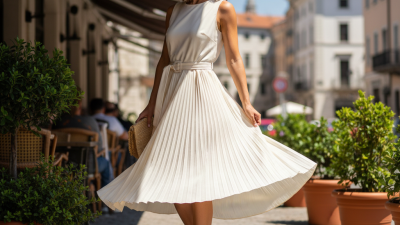
Pleated Midi Dress trends are entering a more practical phase. Buyers now want movement, comfort, and clear value, not decoration alone. The Business of Fashion and McKinsey’s State of Fashion 2025 reports describe cautious fashion spending and stronger consumer attention to price. That shift makes versatile dresses especially relevant.
This guide examines the details shaping current buying decisions. Expect fluid knife pleats, soft accordion folds, and sharper box pleats. Satin, recycled polyester, lightweight viscose, and blended fabrics each create different drape, care, and margin considerations. Small details matter. A hidden side pocket can improve daily wear. A flexible waistband can reduce fitting returns. Midi lengths also suit office styling, wedding guests, and weekend dressing when proportions remain balanced.
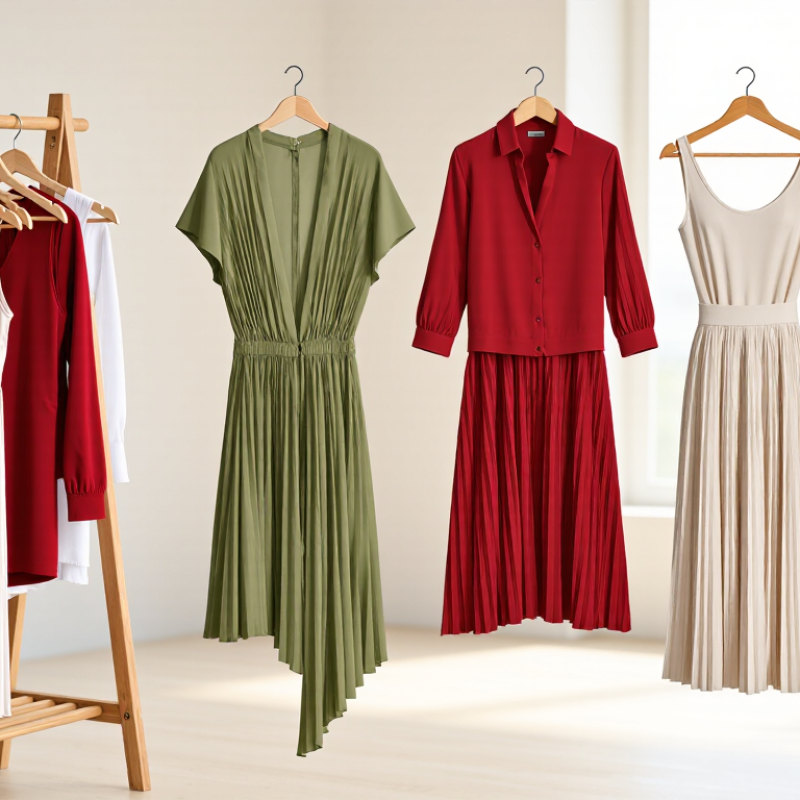
Color direction deserves close attention. Industry trend reports from WGSN and Pantone continue to highlight softened neutrals, expressive reds, and nature-led tones across seasonal fashion development. Yet color forecasts are not universal truths. Regional climate, customer age, and retail positioning can change demand quickly. Buyers should compare trend reports with sell-through data, search behavior, and customer feedback before committing deeply.
Sustainability claims require careful verification. The Textile Exchange Materials Market Report 2024 shows growing industry focus on preferred fibers, but fiber choice alone does not prove a lower-impact product. Buyers should check certifications, supplier records, care instructions, and production transparency. Practical evidence builds trust.
The following discussion connects these signals with commercial realities. It considers silhouette, fabric, color, occasion, sizing, and sourcing. Some forecasts will miss. That is normal. A strong Pleated Midi Dress range leaves room for testing, learning, and revision.
Pleated midi dresses are moving toward practical elegance, not occasion-only dressing. Buyers now prefer styles that work from office hours to dinner. McKinsey & Company and The Business of Fashion’s State of Fashion 2025 projects low single-digit fashion growth. That cautious outlook encourages versatile purchases. A softly structured waist, breathable fabric, and midi length support repeat wear.
Current buyer preferences favor fine knife pleats, fluid accordion pleats, and subtle sunray patterns. These details create movement without excessive volume. Neutral tones remain dependable, while muted coral, olive, and powder blue add seasonal interest. The 2025 ThredUp Resale Report forecasts the global secondhand apparel market will reach 367 billion dollars by 2029. This supports demand for durable dresses with timeless silhouettes. However, pleats can lose shape after careless washing. That weakness deserves more attention from buyers and sellers.
Tips: Check the pleat recovery after gently stretching the fabric. Look for lining, secure waist seams, and clear care instructions. A flexible waistband may improve comfort across changing body shapes. Buyers should inspect the hem while walking, not only while standing. Some dramatic pleats photograph beautifully but feel restrictive in daily movement. That is an easy mistake to make.
Fabric choice now shapes both comfort and perceived value. Textile Exchange’s 2024 Materials Market Report records polyester at 57% of global fiber production in 2023. Its crisp recovery suits sharp accordion pleats and travel-friendly dresses. Recycled polyester can support a lower-impact product story, but buyers should verify certification and fiber content. Not every “eco” claim is equally reliable.
Viscose and cotton blends create softer movement and a less glossy surface. They work well for relaxed knife pleats, especially in warm-weather collections. However, viscose may lose strength when wet, while cotton can crease around the waist. A small percentage of elastane improves comfort, but excessive stretch can flatten pleats after repeated wear. The choice is not obvious. Texture matters, too: hammered satin catches light, fine chiffon feels airy, and heavier crepe gives a steadier fall. The 2024 Textile Exchange report also identifies cotton as about 23% of global fiber output, supporting its continued relevance for breathable midi designs.
Tips: Compare pleat depth, recovery, lining, and shrinkage after washing. Request fabric test results before placing a large order. Check whether pleats remain aligned after sitting for ten minutes. That simple test exposes weak construction. Buyers should also compare matte and shine under showroom lighting. My practical concern is often overlooked: dramatic pleats photograph beautifully, yet shallow pleats may sell better for everyday wear. Demand signals can change quickly, so avoid relying on appearance alone.
Pleated midi dresses are moving toward wearable color and adaptable seasonal design. Soft butter yellow, dusty blue, olive, and warm terracotta suit spring and early summer wardrobes. Deep plum, espresso, and charcoal offer stronger autumn options. These shades photograph well, but lighting can distort color online.
Small florals, blurred botanicals, narrow stripes, and abstract checks are gaining attention. Larger prints still work, though they can overwhelm narrow pleats. The 2024 PwC Voice of the Consumer Survey found that 46% of consumers buy more sustainable products, while respondents accepted an average 9.7% premium. Buyers may therefore prefer recycled fibers, durable linings, and washable pleats. The 2024 ThredUp Resale Report, prepared with GlobalData, projects the global secondhand apparel market will reach $350 billion by 2028. Timeless prints could support longer use and resale value.
Tips: Check pleat recovery after sitting. Test colors under daylight. For spring, choose lightweight fabric and open necklines. For autumn, consider sleeves, darker tones, and a removable belt. A midi length should move cleanly around the calf, not catch at the ankle. Seasonal forecasts are useful, but imperfect. Personal fit still wins. One overlooked detail is lining: a poorly chosen lining can create static, flatten pleats, and reduce comfort. Buyers should request fabric composition and care details before ordering.
Pleated midi dresses are shifting toward practical, body-aware design. For buyers, the key choices are fit, length, and controlled detail. A defined waist can flatter hourglass and pear-shaped figures, while a straighter cut may feel better on rectangular bodies. Avoid assuming every pleat creates balance. Dense pleats can add visual volume around the hips. Test the dress while walking and sitting. Movement matters.
Length changes the whole proportion. A hem ending just below the knee can suit petite shoppers, especially with a shorter bodice and a clean waistline. Mid-calf lengths often work well for taller figures, but they may shorten smaller frames. Try the dress with the shoes you expect to wear. Bare feet can mislead you.
Detail should support the body, not compete with it. Vertical pleats can create a longer visual line, while side panels may soften broad shoulders. Narrow straps expose more shoulder area; wider straps provide practical support. A soft belt can define the waist, though a stiff one may feel restrictive after several hours. Check the lining, seam strength, and pleat recovery after gentle stretching. These small tests reveal quality better than photographs. No fitting rule works perfectly. Personal comfort still deserves the final decision.
| Pleated Midi Trend | Typical Length | Recommended Fit | Most Suitable Body Types | Useful Design Details | Buyer Considerations |
|---|---|---|---|---|---|
| Classic knife pleats | Below the knee to mid-calf | Defined waist with a softly flowing skirt | Hourglass, rectangle, and pear shapes | High waist, slim waistband, concealed side zip, lightweight lining | A versatile option for workwear and occasion dressing; check that pleats recover after movement. |
| Accordion pleats | Mid-calf, usually around the lower calf | Skimming rather than tightly fitted through the hips | Petite, rectangle, and hourglass shapes | Narrow, regular pleats; V-neckline; short or fitted sleeves | The vertical lines can create a lengthening effect, but excessive fabric may overwhelm a smaller frame. |
| Sunray pleats | Knee to mid-calf, widening toward the hem | Fitted at the waist with gradual flare | Pear, inverted triangle, and hourglass shapes | Flat front waistband, radiating pleats, fluid fabric, simple bodice | The flare balances broader shoulders; confirm the waist measurement because the skirt expands below the waistband. |
| Box pleats | Just below the knee to mid-calf | Structured waist with controlled volume | Rectangle, inverted triangle, and taller pear shapes | Crisp fabric, belt loops, tailored bodice, moderate pleat width | Offers a polished silhouette, but heavier fabric and deep pleats can add visual volume around the hips. |
| Fit-and-flare pleated midi | Below the knee, ending at the slimmer part of the calf | Close-fitting bodice with an easy, flared skirt | Hourglass, pear, and rectangle shapes | Waist seam, wrap or sweetheart neckline, adjustable belt, side pockets | A dependable commercial silhouette; prioritize bust, waist, and shoulder measurements rather than skirt volume alone. |
| Relaxed pleated shirt dress | Mid-calf or slightly above the ankle | Straight or gently shaped fit with optional waist definition | Apple, rectangle, and taller body types | Button front, detachable belt, shirt collar, side slits, fuller sleeves | Comfortable for everyday wear; a removable belt lets buyers choose between a relaxed and defined silhouette. |
| Asymmetric pleated midi | Uneven hem from below the knee to mid-calf | Lightly fitted through the torso with a fluid skirt | Petite, rectangle, and inverted triangle shapes | Diagonal hem, one-shoulder or V-neck detail, minimal upper-body volume | The vertical and diagonal lines add movement; verify the shortest hem point for sitting and walking comfort. |
| Tiered pleated midi | Below the knee to mid-calf | Comfortable upper fit with graduated skirt volume | Inverted triangle, straight, and taller body types | Layered hem, tonal stitching, simple neckline, lightweight opaque lining | Works well for casual and resort collections; avoid placing a bulky tier at the widest hip area. |
| Minimal monochrome pleated dress | At or below mid-calf | Clean column shape with subtle waist shaping | All body types, especially apple and rectangle shapes | Single-color fabric, vertical pleats, clean neckline, discreet fastening | Easy to style and visually streamlined; choose opaque fabric and a comfortable amount of ease at the waist. |
Fit note: Midi lengths are generally designed to fall between the knee and ankle. The most flattering hem position depends on height, leg proportion, footwear, and personal comfort. Buyers should compare bust, waist, hip, and garment-length measurements with the seller’s size chart.
Pleated midi dresses are moving toward softer structure, quieter colors, and adaptable styling. Fine knife pleats create a clean office silhouette, while sunray pleats add movement for dinners or travel. Buyers should inspect the pleat memory. Gently compress the skirt, then release it. Pleats need resilience. A permanent ridge or uneven spacing signals weak finishing.
Comfort starts at the waist. Choose a flexible waistband, smooth lining, and enough room across the hips. Test it seated. The hem should not pull upward sharply. Lightweight woven fabric can feel elegant, but it may cling or become transparent in bright light. Check the dress under direct lighting and review its care label before purchase. According to Cotton Incorporated’s Global Lifestyle Monitor, comfort remains a major clothing priority for consumers, so appearance alone is an incomplete buying test.
Material choices also deserve careful attention. Textile Exchange’s Materials Market Report 2024 records global fiber production at 124 million tonnes in 2023. That scale makes durability more meaningful than vague sustainability claims. UNEP reports that textiles create roughly 2–8% of global greenhouse gas emissions. A dress worn across work, weekends, and formal events may offer better practical value. Look for secure seams, even pleat spacing, and a lining that does not twist. Recycled content is useful, but it does not automatically prove quality. I would still test recovery, opacity, and wash performance before ordering.