Leave Your Message

How to Style a Pleated Midi Dress

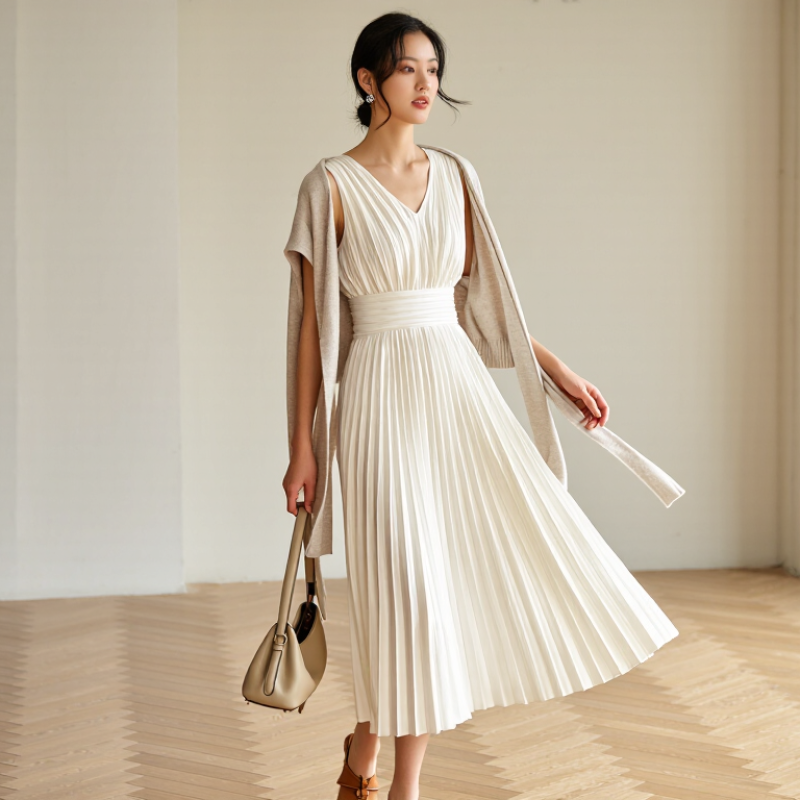
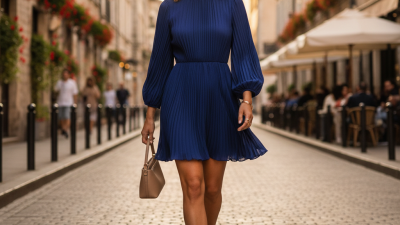
A Pleated Midi Dress can look polished within minutes, yet styling it well requires attention to proportion. The pleats create movement, while the midi length adds an elegant, practical finish. I have found that the waistline matters more than expected. A defined waist can prevent the dress from appearing shapeless. However, not every figure needs a belt. Sometimes, a relaxed silhouette feels more natural and comfortable.

Start by checking the fabric, pleat structure, and hemline. Lightweight polyester may hold sharp folds, while satin can highlight every crease and reflection. Cotton blends usually feel easier for daytime wear. Pair the dress with simple leather sandals for warm weather. Ankle boots create a stronger, more grounded look during cooler months. Keep accessories controlled, especially when the pleats already provide visual texture. A small shoulder bag and modest earrings often work better than layered statement pieces.

Balance is essential.

A cropped cardigan can support the waist without hiding the skirt’s movement. For professional settings, choose a tailored blazer and closed-toe shoes. For casual plans, try a denim jacket and clean white sneakers. These suggestions are dependable, but personal comfort still deserves priority. A shoe that looks elegant but causes pressure will weaken the entire outfit. I have also learned that static, wrinkles, and uneven hems can change the result quickly. Test the complete outfit in natural light before leaving home. The mirror may flatter certain angles, but movement reveals the truth. Your best styling choice may be the one that feels slightly unexpected.

How to Style a Pleated Midi Dress

Identify the Midi Hemline and Pleat Type Before Styling

A midi dress usually falls between the knee and ankle, but the exact hemline changes how it looks with shoes. Stand naturally and check where the fabric ends: mid-calf, just above the ankle, or somewhere in between. A hem that hits the widest part of your calf can feel heavier, especially with flat shoes. Try the dress with the footwear you plan to wear, then notice whether the proportions feel balanced. Small adjustments matter.

Next, identify the pleat type. Knife pleats lie in one direction and create a tidy, streamlined shape; box pleats open into broader folds and can add volume around the hips. Sunray pleats spread from a narrow waist and often move softly as you walk. Run your hand lightly over the skirt to see how the folds sit, rather than judging them only on a hanger. Keep the top simple if the pleats already add texture, or use a fitted layer to define the waist. I sometimes find a belt makes a dress feel more finished, but it can interrupt the fabric’s natural movement. Try it both ways. Notice which version lets you move comfortably without tugging at the hem or waist.

Balance the Silhouette with Waist Definition and Layer Proportions

A pleated midi dress already has movement, so a clear waist helps the shape feel intentional. Try a slim belt at your natural waist, or choose a dress with a defined seam. Keep the belt narrow if the pleats are fine; a wide belt can interrupt their rhythm. Check the fit while sitting, too. A waist that feels comfortable standing may pinch after lunch.

Layer with care. A cropped cardigan or jacket usually ends near the waist, letting the skirt’s volume remain visible. For a longer coat, leave it open so the pleats show as you walk. A fitted knit under a sleeveless dress adds warmth without stacking too much fabric. Small details matter. Roll a sleeve once, or show a little cuff.

Shoes can shift the balance. Low-profile flats keep the outfit relaxed, while a modest heel adds height without competing with the hem. If the skirt feels broad, try a closer-fitting top before changing the whole outfit. I sometimes reach for a chunky sweater, then regret the bulk in photos. Still, proportions are personal; move around and notice where the fabric gathers. The best styling choice should feel steady, not fussy.

Build a Palette Around Pantone 17-1230, the 2025 Color of the Year

Pantone 17-1230, Mocha Mousse, brings a warm, earthy brown to a pleated midi dress. Treat it as the palette’s anchor rather than matching every accessory to it. Cream softens the shade, while muted blue adds a cooler contrast. Try a cream knit over the dress on a chilly morning, then add a slim blue-gray belt to define the waist. Keep the belt light; heavy hardware can interrupt the skirt’s movement.

Texture matters. Pleats catch light differently from smooth fabric, so a matte brown dress may look richer beside brushed suede or soft leather. Choose shoes in tan or deep espresso, depending on whether you want the outfit to feel relaxed or polished. A small gold earring can warm the face without competing with the folds. Keep it simple.

Check the color in daylight before settling on your accessories. Mocha Mousse can read more reddish or more gray depending on the fabric and lighting. That surprised me the first time I paired a brown skirt with a cool-toned bag. It looked balanced indoors, then oddly flat outside. A small test helps: place your shoes and bag beside the dress near a window. If the palette feels too brown, add one pale accent, such as an ivory scarf, rather than building a second competing color story.

Choose Shoes and Accessories for the Occasion and Skirt Movement

A pleated midi dress changes character with every step, so choose shoes that respect its movement. For daytime, low-profile sneakers or soft leather flats keep the hem from looking overly formal. A block heel works for dinner because it adds height without making each stride feel precarious. Check the hem while walking: if it catches on your shoe, the outfit may need a different heel or a small alteration. Annoying, but worth noticing.

Accessories should echo the occasion, not compete with the pleats. A compact crossbody bag leaves your hands free and keeps the silhouette uncluttered; for evening, try a slim belt or small earrings. The U.S. Bureau of Labor Statistics reported average annual household spending of $2,041 on apparel and related services in its 2023 Consumer Expenditure report. That figure is a useful reminder to build outfits around pieces you can wear often, rather than buying accessories for one event. A little restraint helps. Still, I sometimes choose the impractical shoes because they make the dress feel special; just test them on stairs before committing.

How to Style a Pleated Midi Dress

Choose shoes and accessories according to the occasion while keeping the skirt’s natural movement visible.

How to read the chart: Casual looks work best with low heels and minimal accessories, while office, dinner, and formal styling can gradually add height and detail. Keeping the accessory count controlled helps the pleats remain the visual focus.

Protect Pleat Shape by Following ISO 3758:2023 Care Symbols

How to Style a Pleated Midi Dress

Protect Pleat Shape by Following ISO 3758:2023 Care Symbols

A pleated midi dress already creates movement, so keep styling visually calm. Try a fitted knit, low-profile belt, and clean leather-free flats. A cropped jacket can define the waist without crushing the folds. Leave space around the skirt. Pleats need room to swing.

Care matters more than styling tricks. ISO 3758:2023 provides standardized symbols for washing, bleaching, drying, ironing, and professional care. Read the garment label before choosing a method. A crossed-out washing tub means do not wash in water. A low iron setting matters when the iron symbol shows one dot. Never press directly across sharp pleats unless the care instructions permit it. Steam lightly from a distance, then hang the dress by its waistband or suitable hanger.

The Textile Exchange Materials Market Report 2023 shows that polyester accounted for about 57% of global fiber production in 2022, making careful synthetic-fabric care especially relevant. WRAP’s Valuing Our Clothes research found that adding nine months to a garment’s active life can reduce its carbon, water, and waste footprints by around 20%. Small habits count.

I sometimes over-steam pleated fabric. That softens the shape. A better approach is patience: let the dress dry naturally, keep folds aligned, and avoid crowded wardrobes. Do not guess.

How to Style a Pleated Midi Dress - Protect Pleat Shape by Following ISO 3758:2023 Care Symbols

Care or Styling Dimension What to Check or Do Why It Matters for Pleats
Read the garment care label Follow the care symbols and any written instructions on the dress. ISO 3758:2023 uses symbols for washing, bleaching, drying, ironing, and professional textile care. Fabric composition and pleat construction differ; there is no single care method that suits every pleated dress.
Washing symbol: washtub Check the number inside the washtub for the maximum washing temperature. A hand symbol indicates hand washing; a crossed-out washtub means do not wash in water. Follow any line beneath the symbol for a gentler process. Using the labeled method helps avoid unnecessary stress, distortion, or damage to the fabric and its pleats.
Bleaching symbol: triangle Use bleach only when the label permits it. A crossed-out triangle means do not bleach. Bleach can affect fabric colour or fibres, so it should not be assumed safe for a pleated dress.
Drying symbol: square Read the symbol details: a circle inside the square relates to tumble drying, while lines inside the square indicate natural-drying instructions. A crossed-out tumble-drying symbol means do not tumble dry. Choose the drying method shown on the label rather than applying heat or hanging the dress in a way that may stretch it.
Ironing symbol: iron Use the iron symbol’s dots to identify the permitted temperature level. A crossed-out iron means do not iron. If the label allows ironing, test an inconspicuous area and use a pressing cloth when appropriate for the fabric. Direct heat or pressure may flatten, mark, or alter pleats. Do not iron pleats unless the care instructions permit it.
Professional-care symbol: circle A circle may contain letters that identify a professional cleaning process; a line beneath it indicates a gentler process. A crossed-out circle means do not use professional textile cleaning. When the label specifies professional care, tell the cleaner that preserving the pleats is important.
Storage between wears Use the storage method appropriate to the fabric and garment construction. Avoid crushing the skirt under heavy items; check the label for any specific instructions. Reducing compression can help the pleats retain their appearance between wears.
Balance the silhouette Pair the midi dress with a simple fitted top layer, such as a cropped cardigan or neatly fitted jacket, if the outfit needs definition. Choose footwear that suits the hem length and occasion. A streamlined layer can complement the movement and volume of a pleated skirt without obscuring its shape.
Add accessories thoughtfully Try a slim belt only if the dress has a suitable waist and the belt does not pull or bunch the fabric. Keep bags and jewellery from snagging delicate fabric. Gentle styling helps the skirt hang freely and reduces avoidable strain on the fabric.
Care-symbol descriptions are a guide to reading the label; the dress’s own care instructions take priority. ISO care symbols indicate treatment limits, not a universal care routine for every pleated fabric.