Leave Your Message

How to Style a Pleated Wide Leg Jumpsuit?

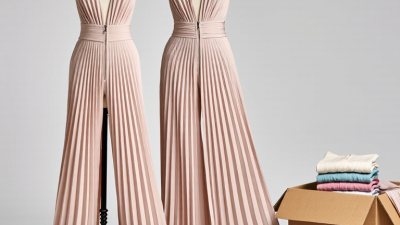
Styling a Pleated Wide Leg Jumpsuit can feel effortless, yet small choices often change the entire silhouette. The pleats create movement through the legs, while the jumpsuit’s one-piece shape already makes a strong visual statement. The goal is not to add more detail blindly. It is to balance volume, structure, comfort, and occasion.

Start by examining the fabric, waistline, and pleat direction. A fluid fabric works beautifully with slim sandals or pointed flats. A firmer fabric may need sharper shoes and a defined belt. Try the outfit in natural light. Check whether the waist sits correctly, and notice where the wide legs fall over your shoes. A hem that brushes the floor can look elegant, but it may become impractical outdoors. I have found that a small alteration often improves the whole outfit more than another accessory.

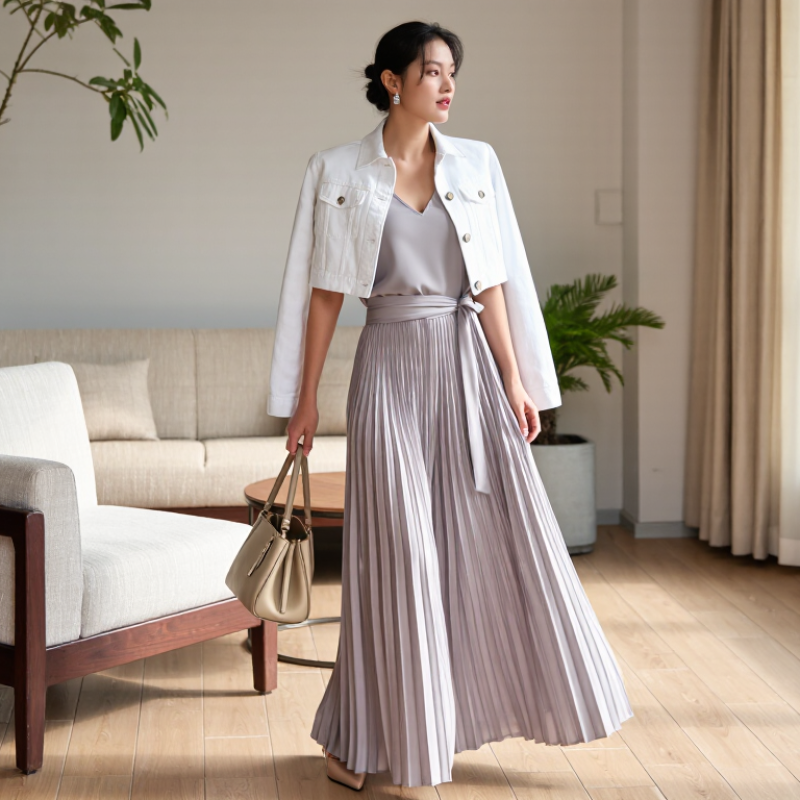
Keep the upper layer intentional. A cropped jacket can clarify the waist, while a long cardigan may soften the look but add unwanted bulk. Simple earrings, a structured handbag, or a narrow belt can provide focus without competing with the pleats. Neutral colors are dependable, although a rich green, rust, or cobalt version can feel more personal. The result should suit your body, your movement, and the setting. It may not look perfect on the first attempt. That is useful feedback. This guide explores practical combinations, common styling mistakes, and thoughtful adjustments for creating a polished outfit with confidence.

How to Style a Pleated Wide Leg Jumpsuit?

Measure Jumpsuit Fit with ASTM D5585 Body-Measurement Standards

How to Style a Pleated Wide Leg Jumpsuit?

A pleated wide leg jumpsuit needs accurate fitting before styling. ASTM D5585 provides standardized body-measurement tables for adult female misses, covering sizes 2 through 20. Use its bust, waist, hip, and height references as a starting point, not a final garment rule. Measure over thin clothing. Keep the tape level across your back and hips. Do not pull tightly. I have seen many jumpsuits fit the shoulders well but strain across the rise. That mistake is easy to miss.

Compare your measurements with the pattern’s finished measurements. Add ease around the waist and seat, especially when pleats open during movement. The SizeUSA national 3D body-scan project measured more than 10,000 people and showed wide variation in body proportions. A standard size cannot describe every torso. That matters with a one-piece garment.

Check the torso length carefully. A short torso may need a higher waist seam, while a long torso may need extra rise room.

Style the finished jumpsuit with a narrow belt, simple earrings, and pointed shoes. The belt should rest where the waist feels comfortable, not where the pleats spread. Choose a cropped jacket to preserve the long leg line. ASTM tables support measurement consistency, but real movement remains the test. Sit down. Reach forward. Walk several steps. If the fabric pulls at the crotch, the fit still needs work. Perfect measurements can still produce an imperfect garment. That is worth reconsidering.

Balance Pleat Volume with a 1:1 Top-to-Trouser Proportion

How to Style a Pleated Wide Leg Jumpsuit?

A pleated wide-leg jumpsuit already carries visual weight through folds, rise, and hem width. The styling task is not to flatten it. Build a 1:1 top-to-trouser proportion instead. Keep the upper half visually equal to the trousers, not noticeably smaller. A cropped jacket ending at the waist can achieve this balance. A structured shirt tucked into the pleats works too. Avoid oversized layers that swallow the shoulder line.

Begin with the jumpsuit’s natural waist. Add a slim belt only when the pleats remain relaxed. The waistband should define shape without squeezing the fabric. I often choose a fitted knit underneath, then add a short, boxy overshirt. That combination feels practical, though it can look slightly rigid. Soft tailoring may work better. Keep the neckline open, especially when the trouser legs are exceptionally broad.

Footwear should repeat the jumpsuit’s visual weight. Try a substantial loafer, clean sneaker, or low platform sandal. A delicate flat can disappear beneath heavy pleats. Textile Exchange’s Materials Market Report 2024 records global fiber production at 124 million tonnes in 2023, encouraging more versatile styling from existing garments. McKinsey and The Business of Fashion’s State of Fashion 2025 forecasts low single-digit industry growth, making adaptable proportions increasingly useful. Check the mirror from the side. The balance may still need correction.

How to Style a Pleated Wide-Leg Jumpsuit?

Balance Pleat Volume with a 1:1 Top-to-Trouser Proportion

The chart uses sample garment measurements in centimeters to compare the visible top and trouser sections of a wide-leg jumpsuit. A balanced 1:1 proportion keeps the pleated trouser volume from overwhelming the upper body.

Set Wide-Leg Hem Clearance at 1–2 cm Above the Shoe

How to Style a Pleated Wide Leg Jumpsuit?

A pleated wide-leg jumpsuit needs controlled volume, especially near the floor. Set the hem 1–2 cm above the shoe. This small clearance keeps the fabric from dragging or hiding the toe. Measure while wearing the shoes you will actually use. Bare feet can mislead you.

Stand naturally, not on tiptoe. Let the pleats fall without pulling them flat. Mark the hem from the floor, then check it from the side and back. The trouser line should skim the shoe, not float noticeably above it. ASTM D5585 provides useful body-measurement guidance, but it does not replace a real fitting. Fabric weight, pleat depth, and heel height still change the result. My first adjustment often looks correct from the front, then feels too short while walking. That is worth reconsidering.

Tips: Walk ten steps before cutting. Test stairs and sitting. If the fabric brushes the floor, raise the hem slightly. If the ankle shows clearly, lower it. The 1–2 cm rule is a starting point, not a rigid law. NRF and Appriss Retail reported that U.S. retail returns reached 14.5% of sales in 2023, valued at about $743 billion. Their report does not attribute every return to poor fit, but accurate length can reduce one avoidable disappointment. Keep a narrow belt and simple shoes nearby. Both help the jumpsuit look intentional.

Build Accessories Around Pantone Seasonal Color-Report Data

A pleated wide-leg jumpsuit already creates strong movement through its volume and folds. Build the accessories around Pantone’s seasonal color data, not random contrast. The Spring/Summer 2025 Fashion Color Trend Report presents ten standout shades and five core classics, giving stylists a useful color framework. Choose one seasonal shade for a small accessory, then keep the remaining pieces quiet.

Try an aquamarine scarf with a warm ivory jumpsuit and slim brown sandals. The cool scarf highlights the pleats without competing with them. For a deeper look, use a cranberry shoulder bag, matte metal earrings, and pointed shoes in a related neutral. Keep the bag near the waistline. It visually controls the jumpsuit’s width.

Small detail, big effect.

In fittings, I check the outfit under daylight and indoor lighting. Color can shift dramatically. Pantone’s report is directional, not a strict shopping list. That matters. A shade shown on a runway may overwhelm a pale fabric or look dull against dark skin. Test one accessory first, preferably beside the face. I sometimes misjudge this step and add too many “seasonal” pieces. The result feels like a color chart, not personal style. One vivid accent, balanced texture, and visible ankle space usually create a more considered finish.

How to Style a Pleated Wide Leg Jumpsuit? - Build Accessories Around Pantone Seasonal Color-Report Data

Seasonal Palette Direction Color Name Hex Value Best Jumpsuit Pairing Accessory Colors Recommended Materials Styling Effect
Warm Spring Warm Orange #F28C28 Ivory, cream, camel, or light denim jumpsuit Tan, ivory, warm brown, muted gold Leather, raffia, brushed metal Creates energy and makes the pleats look fresh and noticeable
Clear Spring Clear Teal #00A6A6 White, soft gray, or navy jumpsuit White, silver, navy, pale aqua Smooth leather, polished metal, glass beads Adds crisp contrast without visually weighing down a wide leg
Soft Summer Dusty Blue #8FA3B5 Charcoal, cool beige, dusty rose, or soft white jumpsuit Slate, pewter, muted mauve, cool taupe Suede, satin, matte silver, soft knit Produces a relaxed monochromatic look with gentle movement
Cool Summer Muted Rose #C08497 Black, cool gray, cream, or deep navy jumpsuit Burgundy, gray, silver, dusty pink Velvet, brushed silver, fine leather Softens dark tailoring and adds a refined feminine accent
Warm Autumn Burnt Red #A44A3F Camel, olive, chocolate brown, or warm cream jumpsuit Cognac, dark brown, antique gold, olive Full-grain leather, woven fiber, aged metal Adds depth and gives the outfit a polished autumn character
Deep Autumn Forest Green #355834 Black, chocolate, warm beige, or rust jumpsuit Dark brown, bronze, cream, oxblood Structured leather, bronze metal, textured wool Balances the volume of wide-leg pleats with a grounded, elegant mood
Clear Winter Vivid Violet #6E44FF White, black, cool gray, or icy blue jumpsuit Black, silver, white, icy lavender Patent leather, polished silver, satin Creates a high-impact focal point for evening or event dressing
Deep Winter Deep Cobalt #0B3D91 Black, optic white, charcoal, or deep gray jumpsuit Black, white, gunmetal, cool red Structured leather, gunmetal, smooth satin Sharpens the silhouette and gives pleats a modern architectural finish

Color values are presented as digital HEX references for styling coordination. For a balanced outfit, keep the jumpsuit as the dominant color and repeat one accessory shade in at least two places, such as shoes and a bag.

Preserve Pleat Structure Using ISO 3758 Care Symbols

A pleated wide-leg jumpsuit can look architectural when its folds remain sharp and even. Style it with simple leather sandals, a narrow belt, or a cropped jacket. Keep accessories light, because excessive layering may press the pleats flat. Before wearing it often, inspect the care label. ISO 3758 care symbols explain suitable washing, bleaching, drying, ironing, and professional cleaning methods.

A washtub symbol shows whether the garment can be washed and at which temperature. A crossed tub means no washing, while a hand inside the tub requires gentle hand washing. A crossed triangle prohibits bleaching. The square explains drying instructions, and a crossed tumble-dryer symbol means air drying only. Use a hanger or lay the jumpsuit flat, depending on its fabric and label. Do not guess.

Iron symbols show heat limits through dots. One dot indicates low heat, which is usually safer for synthetic pleats. Avoid pressing directly across each fold. Place a thin cloth between the iron and garment, then test an inside seam first. A crossed iron means no ironing. Professional cleaning symbols, including the circle, should also be followed carefully. ISO 3758 provides a common language, but labels may still feel incomplete. I once trusted a gentle cycle too quickly, and several pleats softened. Now I photograph the label and follow the strictest instruction. Hang the jumpsuit immediately after drying. Small habits protect its structure.