Global buyers entering the 2026 market need more than attractive silhouettes. They need dependable Pleats Please Trousers with clear construction, wearable proportions, and consistent sizing. Fabric recovery, pleat stability, waistband comfort, and finishing quality can influence repeat orders. Small details matter.
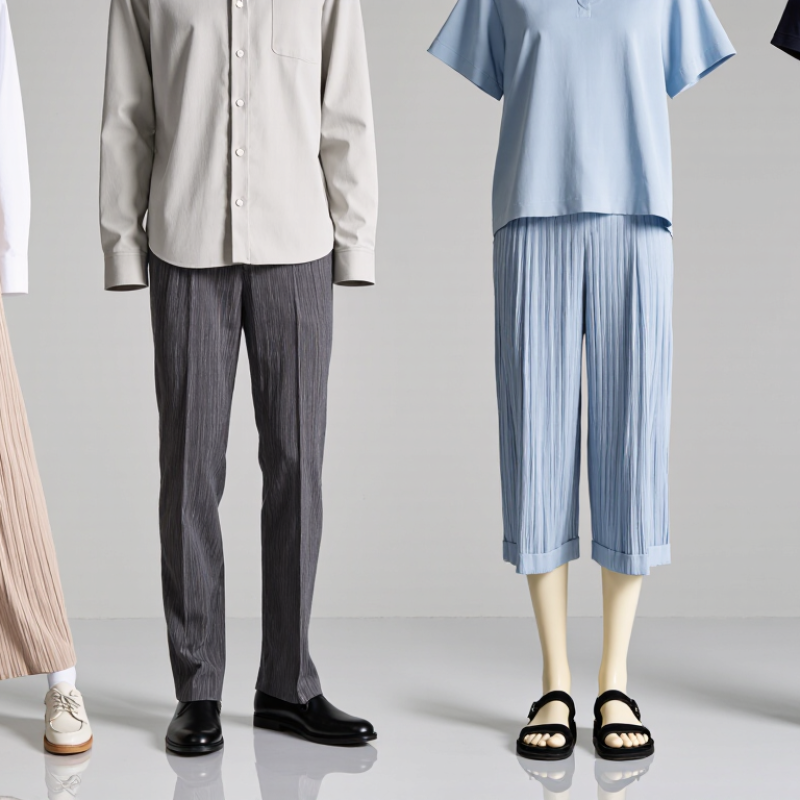
This guide examines leading Pleats Please Trousers types for different retail strategies. Wide-leg trousers create movement and visual volume. Tapered styles offer a sharper shape for urban wardrobes. Cropped trousers suit warmer destinations and display well with sandals or low-profile shoes. Straight-leg designs remain practical for buyers seeking broader customer appeal. Lightweight options may perform better in spring collections, while denser pleated fabrics can support cooler-season merchandising.
Issey Miyake, the influential designer behind the Pleats Please concept, once said, “Design is not for philosophy—it is for life.” That principle remains useful for international purchasing decisions. Trousers must look distinctive on a rack, yet feel comfortable during long days, travel, and repeated wear. A beautiful sample can still fail if pleats relax after care or if the rise fits too narrowly.
The market is not perfectly predictable. Some buyers may overestimate novelty and underestimate practicality. Care labels, measurement charts, color consistency, and responsible production records deserve equal attention. This overview compares the strongest 2026 trouser directions while recognizing regional differences in climate, body shape, pricing, and customer expectations. The best choice may not be the most dramatic one. It may be the pair customers quietly wear every week.
2026 Top Pleats Please Trousers Types for Global Buyers
Pleats Please trousers use repeated folds to create a flexible, textured surface. These folds may be heat-set, stitched, or engineered into the fabric structure. The result offers visual movement, comfortable ease, and a distinctive vertical rhythm. Unlike ordinary pressed creases, permanent pleats can expand around the body during movement. They also reduce the need for frequent ironing. However, pleat recovery varies across fibers and production methods.
Textile Exchange’s Materials Market Report 2024 estimates polyester represented 59% of global fiber production in 2023. This helps explain why synthetic blends remain important for lightweight, wrinkle-resistant trousers. Buyers should still test breathability, colorfastness, shrinkage, and pleat recovery after washing. Polyester is practical, but it is not automatically premium. That distinction is often missed.
For 2026 sourcing, wide-leg, tapered, cropped, and cargo-inspired pleated trousers may serve different regional preferences. Wide-leg shapes support airflow and relaxed styling. Tapered cuts suit office wardrobes and smaller retail spaces. Cropped versions reduce fabric weight and shipping volume. The State of Fashion 2025 report describes cautious spending and low-growth conditions, making versatility commercially valuable. Global buyers should request size-set samples, not only one showroom sample. Fit grading remains imperfect across markets. Even accurate measurements cannot fully predict cultural comfort preferences.
Pleats Please trousers differ mainly by cut. Straight-leg styles create a clean profile for office dressing and travel. Wide-leg trousers offer airflow and movement, especially in warm climates. Tapered cuts look sharper, but they may feel restrictive around fuller calves. Cropped trousers expose the ankle and work well with low shoes. Buyers should check the rise, waistband recovery, and actual garment measurements before placing bulk orders. A polished sample can still fit poorly.
Fabric changes both comfort and commercial value. Lightweight polyester pleats dry quickly and resist frequent creasing during shipping. Heavier woven fabrics provide more structure for cooler markets. Stretch blends improve sitting comfort, but excessive elasticity may weaken pleat definition over time. Recycled fibers can support sustainability claims when documentation is available. Fabric names alone are not enough. Request composition records, shrinkage tests, colorfastness results, and wash-care instructions.
Tips: Match the cut to the target customer, not only current fashion images. Test trousers after repeated washing and packing. Check whether pleats recover after a long day. Small differences matter. Function also guides selection. Travel trousers should be light, quick-drying, and easy to fold. Workwear needs stable pleats and a secure waistband. Evening styles can use a fluid drape, but delicate surfaces may increase returns. I have found that the safest buying decision is rarely the most dramatic design. Clearance between body measurements and size charts should be reviewed carefully, because one measurement error can affect an entire order.
Global buyers should compare pleated trousers by use, not appearance alone. Wide-leg styles offer movement and a stronger silhouette for resort or lifestyle collections. Straight-leg cuts fit office wardrobes and simplify size grading. Cropped versions reduce fabric use, but their proportions can vary across markets. Tapered trousers suit active commuting and smaller retail spaces. Ask for a measured sample. Photos can hide uneven pleat depth.
Buyer requirements also change the technical checklist. Check fabric weight, stretch recovery, colorfastness, and pleat stability after washing. A light fabric feels comfortable in warm climates, yet may reveal pocket outlines. Heavier fabric hangs better, but raises freight weight and summer complaints. Measure waistband extension, rise, inseam, and hem width separately. I prefer at least one wash test before approval. It costs time. It prevents expensive surprises. Some suppliers provide clear test records; others offer vague promises, which is a warning.
For volume purchasing, compare minimum order quantities, shade consistency, lead time, packaging, and replacement procedures. Request size charts in centimeters and confirm tolerances in writing. Retailers serving diverse regions may need short, regular, and long inseams. Online sellers should review videos, because pleats can look fuller on a model than on a customer. I once treated a neat sample as production proof. That was careless. Bulk units showed slight waistband variation. A second inspection plan would have helped. Reliable comparisons use measured evidence, repeat testing, and honest allowance for defects.
How to compare pleated trousers for different buyer requirements. Scores use a 1–5 comparative index based on common garment construction characteristics: 5 indicates stronger suitability.
Single-pleat and tapered styles generally provide better office versatility, while double-pleat and wide-leg designs offer more room and airflow. Cropped pleated trousers are lightweight and easy to pack but are less suitable for formal dress codes.
Sizing, Quality Standards, and Compliance for International Purchases
Pleated trousers need measurement control beyond waist labels. Use ISO 8559 body-measurement guidance when building size charts. Record waist, hip, rise, inseam, and pleat depth separately. A relaxed waistband can hide poor grading. It happens more often than buyers expect. Fit samples should be tested on different body shapes, not one model. The 2023 NRF and Appriss report estimated $743 billion in returned merchandise in the United States. Its 17.3% online return rate shows why accurate sizing affects margins.
Quality checks should cover fabric recovery, seam strength, shrinkage, colorfastness, and pleat retention after washing. ISO 6330 provides standardized domestic washing procedures. ASTM D4966 supports abrasion testing for textile durability. Ask suppliers for test dates, laboratory accreditation, and batch references. A beautiful sample proves little. Production rolls may behave differently. Buyers should inspect pre-production and shipment samples, then compare measurements against agreed tolerances.
International compliance requires documented material composition and chemical testing. REACH requirements may apply when products enter the European market. US purchases can involve fiber-labeling and flammability obligations. EN ISO 14362 testing can help screen certain azo dyes in textiles. Requirements differ by destination. Do not treat one certificate as global approval. Include care labels, country-of-origin details, restricted-substance declarations, and traceable supplier records. Some buyers still accept unclear reports. That is a costly weakness. Select independent laboratories and review corrective actions before approving bulk production.
Global buyers are prioritizing versatile pleated trousers, especially wide-leg, tapered, cropped, and high-waisted cuts. Wide-leg styles offer stronger visual movement, while tapered trousers suit office and travel wardrobes. McKinsey’s State of Fashion 2025 expects fashion growth to remain in the low single digits, increasing pressure on buyers to control inventory risk. Small trial orders may be wiser than large speculative purchases.
Sourcing requires more than selecting fabric from a catalog. Ask suppliers for pleat recovery tests, shrinkage results, colorfastness records, and measurements after washing. Cotton blends feel breathable, while recycled polyester often improves crease recovery and shipping durability. Customization should define pleat depth, waistband structure, pocket placement, inseam grading, and carton dimensions. I have seen fit problems begin with one missing measurement. That mistake becomes expensive across multiple sizes.
Shipping needs early planning. DHL’s 2024 E-Commerce Trends Report reported that 81% of shoppers abandon purchases when preferred delivery options are unavailable. Confirm carton weight, folding methods, labeling, insurance, and delivery terms before production. Air freight is faster but costly; sea freight reduces unit cost but needs stronger forecasting. Customs documents must match the actual product description and fiber composition.
Tips: Request a pre-production sample and measure every critical point. Keep a three percent tolerance only when your market accepts it. Test one shipment first. It may expose packaging or transit issues that factory photos cannot show.
| Trouser Type | Typical Silhouette and Use | Common Fabric Composition | Typical Fabric Weight | Pleat and Construction Details | Indicative MOQ | Sample and Bulk Lead Time | Customization Options | Shipping and Packing Considerations |
|---|---|---|---|---|---|---|---|---|
| Wide-Leg Pleated Trousers | Relaxed, full-volume leg with a fluid drape. Suitable for contemporary workwear, occasionwear, and premium casual collections. | 100% polyester; recycled polyester; or polyester blended with elastane for improved comfort. | 180–260 g/m² for lightweight to midweight seasonal styles. | Single or double front pleats, concealed waistband extension, side pockets, and a structured waistband. A stable fabric helps retain the leg shape. | Approximately 300–1,000 pieces per color, depending on fabric availability and production setup. | Fit sample: about 7–14 days. Bulk production: about 30–60 days after approval of materials and pre-production sample. | Leg width, rise, waistband height, pocket shape, hem finish, lining, color, size grading, and pleat depth. | Fold with tissue or belly bands to reduce sharp pressure marks. Use moisture-resistant cartons and avoid excessive compression during ocean or air freight. |
| Tapered Pleated Trousers | Roomier at the hip and thigh with a narrower ankle. Suitable for office, smart-casual, and travel collections. | Polyester-viscose blend; polyester-elastane; or wool-blend fabric for cooler climates. | 210–300 g/m² for improved shape retention and crease resistance. | One or two front pleats, front crease line, slanted side pockets, and a tapered inseam. Stretch content of 2–5% can improve movement comfort. | Approximately 300–800 pieces per color for standard production programs. | Sample: about 7–14 days. Bulk: about 35–60 days, including cutting, sewing, finishing, and inspection. | Waist adjusters, belt loops, cuff width, ankle opening, pocket bags, stretch percentage, and fit blocks for different markets. | Pack by size and color with clear carton markings. Carton dimensions should be confirmed before booking freight to calculate chargeable volume. |
| Straight-Leg Pleated Trousers | Balanced leg width from thigh to hem. A versatile option for uniform, office, and everyday retail assortments. | Polyester-viscose; cotton-polyester; or recycled polyester blends. | 190–280 g/m² depending on climate and season. | Single front pleat, flat waistband, back welt pockets, and a straight side seam. Medium-density fabric supports a clean vertical drape. | Approximately 300–1,000 pieces per color. | Sample: about 7–12 days. Bulk: about 30–55 days after size-set and color approval. | Waistband construction, pocket configuration, crease treatment, hem allowance, color matching, and size range. | Suitable for flat-fold packing. Use size stickers and carton packing lists; keep cartons dry because moisture can affect crease appearance and packaging integrity. |
| Cropped Pleated Trousers | Ankle-length or above-ankle silhouette, often used in warm-weather, resort, and fashion-forward collections. | Lightweight polyester; polyester-elastane; linen-viscose; or cotton-blend fabric. | 130–220 g/m² for breathable spring and summer applications. | Single pleat or inverted pleat, clean hem, optional cuff, and a shorter inseam. Lighter fabrics require careful pleat setting to prevent distortion. | Approximately 300–800 pieces per color. | Sample: about 7–14 days. Bulk: about 30–50 days, subject to fabric dyeing and pleat-finishing capacity. | Inseam length, cuff height, pocket depth, pleat direction, waistband finish, lining, and fabric opacity. | Use tissue separators and moderate carton compression. For long-distance transport, request a pre-shipment appearance check after packing simulation. |
| Pleated Culotte Trousers | Wide, cropped silhouette that resembles a skirt while maintaining trouser construction. Suitable for fashion and resort categories. | Polyester; polyester-viscose; rayon blend; or medium-weight cotton blend. | 160–260 g/m² to balance movement, coverage, and volume. | Front pleats with wide leg panels, side-seam or welt pockets, and a waistband designed to control fullness at the hip. | Approximately 300–800 pieces per color. | Sample: about 8–15 days. Bulk: about 35–60 days after fit and drape approval. | Leg opening, crop length, pleat depth, waistband type, pocket placement, lining, and fabric drape. | Pack individually or in small stacks to protect the wide leg shape. Confirm carton utilization because the garment volume can be higher than standard trousers. |
| Cargo Pleated Trousers | Utility-inspired style combining front pleats with cargo pockets. Suitable for streetwear, outdoor lifestyle, and casual workwear. | Cotton twill; cotton-polyester; nylon; or recycled nylon with optional elastane. | 220–330 g/m² for durability and pocket support. | Front pleats, reinforced belt loops, gusseted or bellows pockets, bar-tacks at stress points, and optional drawcord hem. | Approximately 500–1,000 pieces per color because of additional trims and operations. | Sample: about 10–18 days. Bulk: about 40–65 days depending on pocket and trim complexity. | Pocket dimensions, flap and snap type, trim finish, reinforcement stitching, garment wash, water-repellent finish, and branding-free labels. | Additional pockets increase packed weight and volume. Verify carton gross weight, carton dimensions, and destination import requirements before shipment booking. |
| High-Waisted Pleated Trousers | Waistline positioned above the natural waist with a longer rise. Often selected for tailored, vintage-inspired, and formal collections. | Polyester-viscose; wool-polyester; or polyester-elastane suiting fabric. | 220–320 g/m² for tailored structure and opacity. | Double front pleats, extended waistband tab, fly front, front crease, and optional partial lining. Accurate rise grading is essential. | Approximately 300–800 pieces per color. | Sample: about 8–15 days. Bulk: about 35–60 days after fit approval across the complete size range. | Rise height, waistband width, belt-loop position, pleat count, lining, pocket style, hem break, and grading rules. | Use shape-preserving folding around the waistband and fly. Include measurement charts in the packing documentation for receiving inspection. |
| Elastic-Waist Pleated Trousers | Comfort-focused style with an elasticated back or full elastic waistband. Suitable for travel, loungewear, and inclusive sizing. | Polyester-elastane; rayon-polyester; cotton jersey; or woven stretch fabric. | 150–250 g/m² depending on intended season and drape. | Front pleats combined with partial or full elastic, drawcord option, side pockets, and a relaxed fit. Elastic recovery should be tested after repeated extension. | Approximately 300–1,000 pieces per color. | Sample: about 7–14 days. Bulk: about 30–55 days after elastic, fabric, and fit approval. | Elastic width, waistband height, drawcord, pocket depth, leg shape, stretch ratio, size range, and care-label language. | Pack without excessive folding across the elastic. Check carton humidity protection and ensure care labels comply with the destination market. |
| Performance Pleated Trousers | Technical version designed for commuting, travel, or light outdoor use, with emphasis on stretch, quick drying, or easy care. | Recycled polyester-elastane; nylon-elastane; or polyester with mechanical stretch. | 140–230 g/m² for lightweight performance applications. | Permanent or semi-permanent pleat effect, articulated seams, secure pockets, low-bulk waistband, and optional wrinkle-resistant finish. | Approximately 500–1,500 pieces per color because performance fabrics and trims may have higher minimums. | Sample: about 10–18 days. Bulk: about 40–70 days, including performance and wash testing. | Stretch level, water-repellent finish, pocket security, reflective details, zipper type, seam construction, and test requirements. | Keep cartons ventilated and dry. If regulated chemical finishes are used, request the applicable material declarations and test reports before export. |