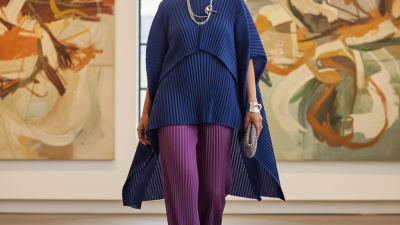
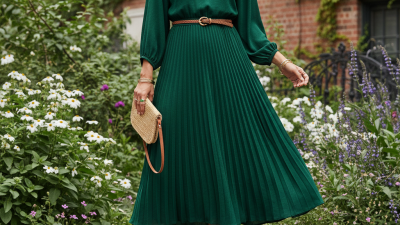
Top Green Pleated Dress Styles for Global Buyers in 2026?
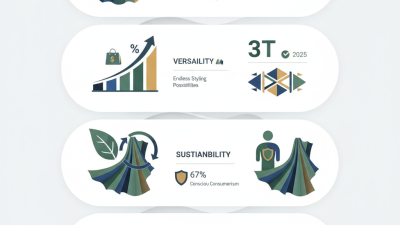
The global fashion industry is evolving, with sustainability taking center stage. In 2026, the demand for "Green Pleated Dress" styles is anticipated to spike. According to a recent report by McKinsey & Company, sustainable fashion is projected to grow at a rate of 10-15% per year, highlighting the increasing preference for eco-friendly options.
Green pleated dresses are not just a trend; they represent a shift in consumer values. A survey by Statista revealed that 72% of consumers prioritize sustainability when making fashion purchases. This highlights the potential for green pleated styles to resonate with a global audience seeking stylish yet environmentally responsible garments.
However, the fashion industry still grapples with challenges. Many brands struggle to source sustainable materials. Additionally, the production processes often fail to meet strict environmental standards. Addressing these issues is crucial for the authenticity of the green living movement. As buyers seek fashionable solutions, designers must reflect on their methods to ensure they align with conscious consumerism.
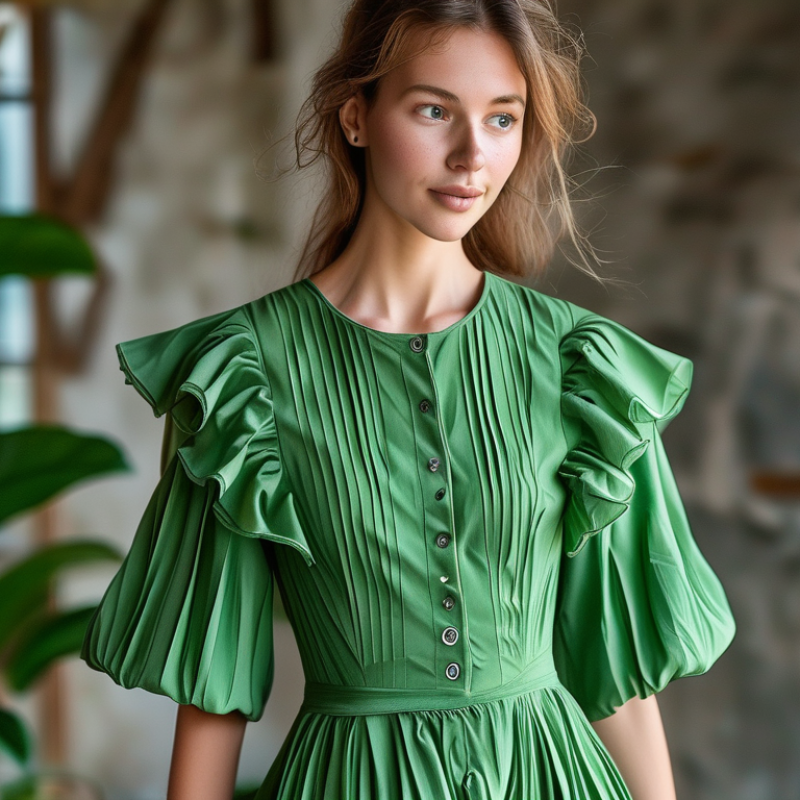
Emerging Trends in Sustainable Fabrics for Pleated Dresses in 2026
The fashion industry is evolving rapidly, especially in sustainable practices. In 2026, eco-friendly pleated dresses will rise in popularity. Reports predict the demand for sustainable fabrics will grow by 20% annually. Materials like organic cotton, Tencel, and recycled polyester will lead this trend. Such fabrics not only reduce environmental impact but also appeal to conscious consumers.
Tips: Consider sourcing from suppliers who use low-waste manufacturing processes. This choice supports both sustainability and ethical practices. Always check certifications to ensure materials meet eco-friendly standards.
Transparency in sourcing is key. Consumers want to know the origins of their clothing.
Taking time to research and reflect on material choices can enhance brand trust. Brands failing to communicate their sustainable practices may struggle to connect with the eco-conscious market. Engaging with customers about sustainability can bridge these gaps.
Market Analysis: Global Demand for Green Fashion Among Consumers
The global demand for green fashion is surging. Consumers are increasingly aware of environmental issues. They want styles that align with their values.
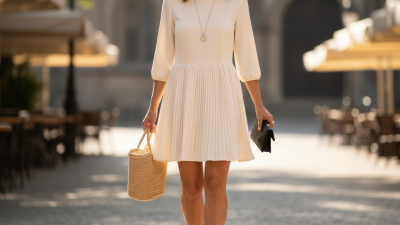
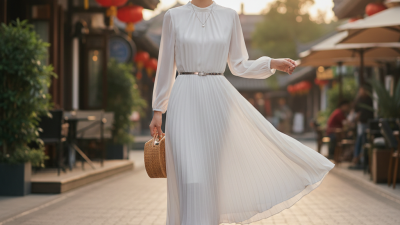
Green pleated dresses are gaining popularity due to their elegance and sustainability.
In 2026, the market will likely see a diverse array of styles. From soft, flowing materials to sharp, structured designs, options are expanding. Many buyers prefer dresses made from organic or recycled fabrics. This trend reflects a desire for both style and responsibility. There is room for improvement, however. Sustainable practices within the fashion supply chain still need refinement.
Colors in the green spectrum resonate with many customers. Earthy tones and vibrant greens bring a refreshing vibe. As more consumers seek eco-friendly fashion, educating the public remains a challenge. Awareness of the environmental impact of apparel is crucial. Brands must connect with consumers genuinely. Transparency can build trust and loyalty, yet many brands struggle with this aspect.
Top Eco-Friendly Material Choices for Green Pleated Dresses
As eco-conscious fashion continues to rise, the choice of materials becomes paramount. Sustainable fabrics can significantly impact how green pleated dresses are perceived. Natural fibers like organic cotton and linen are excellent options. They are breathable and ideal for various climates. Recycled materials, such as recycled polyester, also have a place in sustainable fashion. Using waste reduces the environmental footprint of textile production.
Another interesting material is Tencel, derived from wood pulp. This fabric is soft and biodegradable. It offers a luxurious feel while maintaining eco-friendliness. Hemp is another standout; its cultivation uses minimal water and no pesticides. Hemp fabric is durable and gets softer with each wash.
However, pursuing greener options often involves trade-offs. Sourcing sustainable fabrics can cause delays and elevate costs. Designing with eco-friendly materials may limit the range of styles. Despite these challenges, the trend toward sustainable fashion is gaining momentum. Buyers are becoming increasingly selective and knowledgeable, pushing brands to innovate. This evolution shows that while the market grows, it still needs reflection on practices and choices made today.
Key Style Influences: Cultural and Regional Variations in Pleated Dress
The rise of pleated dresses is influenced by diverse cultural and regional aesthetics. In various territories, the pleat style carries unique meanings and traditions. For example, in Japan, pleated fabrics often symbolize grace and subtlety. In contrast, Western regions may favor bold patterns and vibrant colors, reflecting individualistic expressions and modernity. Each culture’s interpretation adds depth to the design.
Regional fabrics also play a significant role. In Africa, bright prints blended with pleats showcase local artistry. Meanwhile, European styles may lean towards minimalist designs with a focus on high-quality materials. Consumers are increasingly drawn to how these styles reflect personal identity while connecting to their heritage.
Despite the growing global market, there remains a discrepancy in representation. Many styles overlook cultural narratives. Buyers should be mindful of authenticity when choosing pleated dresses. It's vital to embrace diverse influences while respecting their origins. This ongoing conversation about style will shape the future of fashion in 2026 and beyond, encouraging reflection and understanding.
Consumer Preferences: Eco-Conscious Buying Habits and Trends in 2026
In 2026, eco-conscious consumers are redefining fashion trends, especially with dress styles. Green pleated dresses are gaining traction. The focus is on sustainability and ethical production. Many buyers seek fabrics made from organic materials. Recycled textiles are also popular. Shoppers prefer pieces that minimize environmental impact.
Consumer habits are shifting towards brands that emphasize transparency. Ethical sourcing is crucial. Buyers want to know where materials come from. Certifications can guide them. It's not just about the product; it’s about the story behind it. Consumers often question the longevity of their purchases. Fast fashion is losing its appeal.
Challenges remain. Not all sustainable brands offer diverse styles. Shoppers may find limited options. Price points can vary significantly, creating dilemmas. Embracing eco-friendly fashion is a journey. Every choice reflects personal values. Striving for a greener wardrobe is a step in the right direction.
Top Green Pleated Dress Styles for Global Buyers in 2026
| Style |
Material |
Eco-Certification |
Consumer Rating |
Price Range (USD) |
| A-Line Green Pleated Dress |
Organic Cotton |
GOTS Certified |
4.6/5 |
80 - 120 |
| Maxi Green Pleated Dress |
Recycled Polyester |
OEKO-TEX Standard 100 |
4.7/5 |
100 - 150 |
| Short Sleeve Green Pleated Dress |
Tencel Lyocell |
FSC Certified |
4.5/5 |
70 - 110 |
| Bohemian Green Pleated Dress |
Hemp |
HEMP Certified |
4.8/5 |
90 - 130 |
| Wrap Green Pleated Dress |
Bamboo Fabric |
ECOCERT Certified |
4.9/5 |
85 - 125 |