Leave Your Message

What Is a Pleated Maxi Dress?

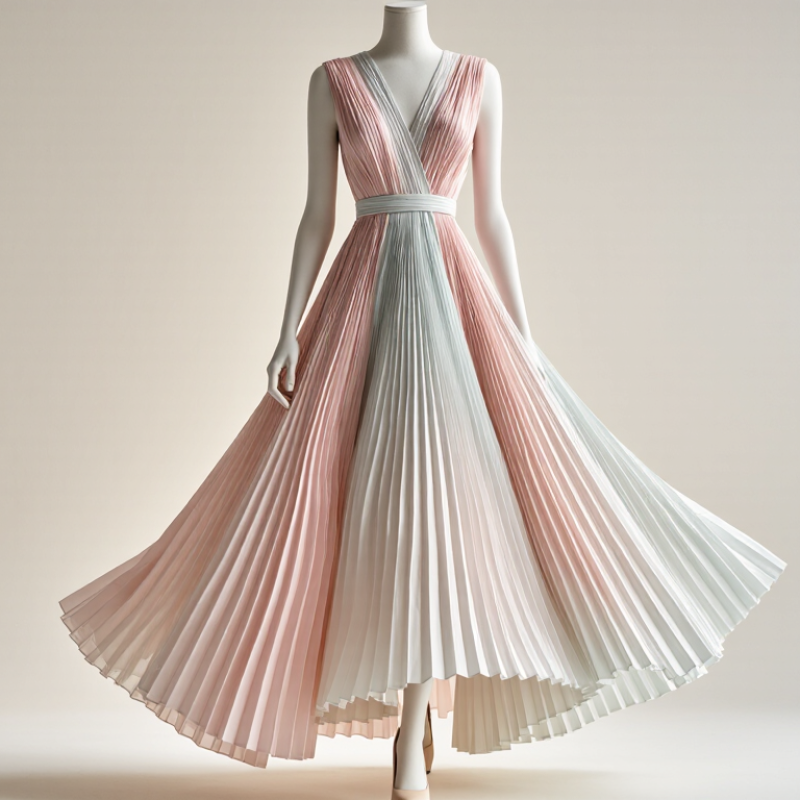
What Is a Pleated Maxi Dress? It is a full-length dress shaped by repeated folds that run vertically through the fabric. These pleats may be sharp and structured, or soft and accordion-like. The length usually falls near the ankles, creating movement without exposing much leg. When the wearer walks, the folds open slightly, then return to place. That small motion defines much of its appeal.

The style sits between occasionwear and everyday dressing. A polyester version may resist wrinkles and hold pleats effectively, while chiffon creates a lighter, floating effect. Textile Exchange’s Materials Market Report 2024 recorded global fiber production at approximately 124 million tonnes in 2023, with polyester remaining the leading fiber. This matters because fiber choice influences weight, drape, durability, and care instructions. Natural fibers can feel cooler, but they may lose sharp pleats more easily. The distinction is not always simple.

Market context also supports the dress’s versatility. The Business of Fashion and McKinsey’s State of Fashion 2025 described fashion growth as modest, with consumers becoming more selective about value and longevity. A well-designed Pleated Maxi Dress can answer that demand through one adaptable silhouette. It may work with flat sandals, a narrow belt, or a cropped jacket. Fit still requires attention. Excess fabric around the waist can add bulk, while overly tight pleats may restrict movement. That is easy to overlook. This guide examines the construction, fabrics, fit, styling potential, and practical care behind the Pleated Maxi Dress, helping readers judge more than its visual appeal.

What Is a Pleated Maxi Dress?

Definition and Key Features of a Pleated Maxi Dress

What Is a Pleated Maxi Dress?

Definition and Key Features of a Pleated Maxi Dress

A pleated maxi dress is a full-length garment shaped with repeated folds in its fabric. The hem usually reaches the ankles or lower calves. Its pleats may be narrow, wide, permanent, or softly pressed. These folds create vertical movement and help the dress keep a fluid silhouette. The waist can be fitted, elasticated, or loosely defined with a tie. Small details matter.

Common fabrics include polyester, chiffon, satin, crepe, and lightweight jersey. Each material changes the pleat’s behavior. Chiffon creates an airy effect, while satin reflects light across every fold. A heavier fabric can provide structure but may feel warm or restrictive. In practical fitting, the waistband should sit securely without compressing the body. The skirt should also allow comfortable walking and sitting.

Industry data supports the wider demand for adaptable clothing. McKinsey and the Business of Fashion’s State of Fashion 2025 report forecasts low single-digit growth for the global fashion industry. This cautious outlook makes versatility more valuable. A pleated maxi dress can move between daily wear and formal settings with small styling changes.

However, “easy to wear” is not always accurate. Dense pleats may add visual volume, and delicate folds can lose definition after incorrect washing. The dress is elegant, but not effortless. Textile care labels and fabric testing remain essential.

How Pleats Create Shape, Texture, and Movement

What Is a Pleated Maxi Dress?

How Pleats Create Shape, Texture, and Movement

A pleated maxi dress uses folded fabric to build shape without heavy structure. Each fold catches light differently, creating a soft, repeating texture from waist to hem. In my experience, narrow pleats often look delicate, while wider pleats feel more architectural. The fabric choice matters greatly. Lightweight polyester keeps its folds well, while silk or rayon may shift and relax during wear.

Pleats also guide the eye across the body. Vertical folds can create a longer visual line, especially when they begin at the shoulder or waist. A fitted waistband gives the dress definition, while fuller pleats around the skirt allow comfortable movement. Walk slowly, and the folds open and close like a fan. Turn quickly, and the hem gains a gentle swing. That movement is the dress’s most expressive feature.

Not every pleated dress flatters in the same way. Dense pleats can add volume, and careless pressing may flatten their rhythm. I once preferred extremely fine pleats, but they looked busy under harsh indoor lighting. Now, I consider spacing, fabric weight, and body movement together. A good pleated maxi dress should feel easy when sitting, walking, and reaching. Check the hem, too. Uneven folds can disturb the entire silhouette.

Common Fabrics and Pleat Styles Used in Maxi Dresses

What Is a Pleated Maxi Dress?

Common Fabrics and Pleat Styles Used in Maxi Dresses

A pleated maxi dress is a full-length garment shaped by folded fabric. Its movement depends on both the textile and the pleat structure. Polyester is common because it holds sharp folds and resists wrinkling. Chiffon creates a light, floating effect, but it may need a lining. Satin reflects light across each fold, making pleats look deeper. Cotton feels breathable, though its folds can soften after washing.

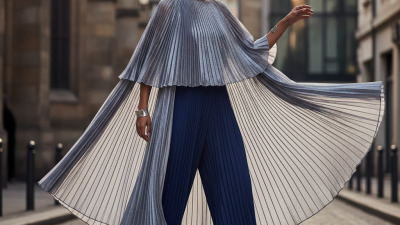
Accordion pleats form narrow, repeated ridges from the waist to the hem. They suit fluid fabrics and create noticeable movement while walking.

Knife pleats face one direction and give a cleaner, more tailored appearance.

Box pleats use opposing folds, adding controlled volume around the skirt.

Sunray pleats are narrow at the waist and wider near the hem. They can make the lower dress feel especially dramatic.

Viscose and jersey often produce softer pleats with comfortable drape. Linen blends feel cool, but their texture can make folds appear less precise. In practical wear tests, smaller pleats usually recover better after sitting. Still, no fabric is perfect. Heat, friction, and incorrect washing can flatten or distort the folds. Check the care label, avoid harsh twisting, and hang the dress by its waist seam. A pleated maxi dress should move naturally, not look overly stiff.

How to Choose the Right Pleated Maxi Dress

What Is a Pleated Maxi Dress?

A pleated maxi dress is a full-length garment shaped with repeated folds. These folds may run from the waist, neckline, or bodice. They create movement while adding visual volume without heavy decoration. For everyday wear, choose pleats that recover after sitting. Accordion pleats usually move well, but sharp knife pleats can emphasize the hips. Try walking, sitting, and raising your arms before buying. Check the hem.

How to Choose the Right Pleated Maxi Dress

Start with proportion. The hem should skim the ankle or cover most of the shoe without dragging. A shorter wearer may prefer narrow pleats and a defined waist. A taller wearer can handle broader pleats and stronger volume. Do not rely on the size label alone. Measure the bust, waist, and hip areas, then compare the garment’s measurements. An adjustable waist can reduce fitting problems, especially after meals.

Fabric affects comfort, shape, and environmental impact. Textile Exchange’s 2024 Materials Market Report recorded 124 million tonnes of global fiber production in 2023, with polyester representing about 57 percent. Polyester pleats often hold their shape, but breathability varies. Look for a soft lining, secure stitching, and enough opacity under bright light. Natural or recycled fibers may feel better, though their performance is not automatically superior. WRAP’s Valuing Our Clothes study found that extending clothing life by nine months can reduce its carbon, water, and waste footprints by roughly 20–30 percent. Care instructions matter. A dress that requires constant pressing may not suit your routine. There is no perfect choice; comfort, durability, appearance, and maintenance must be weighed together.

What Is a Pleated Maxi Dress? How to Choose the Right Pleated Maxi Dress

A pleated maxi dress is a full-length dress made with folded fabric that creates texture, movement, and added volume. The chart compares common pleat styles using practical selection criteria rated from 1 to 10.

How to use this chart: Choose accordion pleats for fluid movement, knife pleats for a clean vertical look, box pleats for more structure, and sunray pleats for a fitted waist with a flowing skirt. For warm weather, prioritize lightweight, breathable fabrics such as cotton, linen blends, or lightweight polyester.

Ways to Style and Care for a Pleated Maxi Dress

What Is a Pleated Maxi Dress?

Ways to Style and Care for a Pleated Maxi Dress

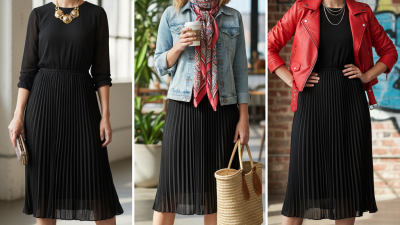
A pleated maxi dress is a floor-length dress with folded fabric running vertically through the skirt. The pleats create movement, texture, and a longer-looking silhouette. For daytime wear, I pair mine with flat leather sandals and a short, structured jacket. A slim belt can define the waist, but it may interrupt the pleats. That balance is easy to miss. In cooler weather, a fitted knit sweater or cropped cardigan keeps the outfit practical without hiding the skirt’s shape. Simple earrings usually work better than heavy accessories because the fabric already provides visual interest. For formal settings, low heels and a small clutch create polish without making the outfit feel stiff.

Care depends on the fabric and pleat construction. I always check the care label before washing, since heat can permanently distort synthetic or delicate fibers. When hand washing is allowed, use cool water and mild detergent. Avoid twisting the dress. Press out water with a clean towel, then hang it from a padded hanger or lay it flat, depending on the label. Never iron directly over pleats unless the manufacturer permits it. Steam from a short distance instead. I once stored a pleated dress tightly folded, and several folds relaxed unevenly. Now I leave extra space in the wardrobe and avoid heavy garments pressing against it. Small habits matter.