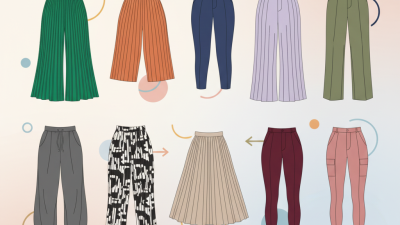
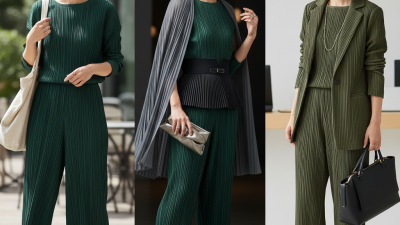
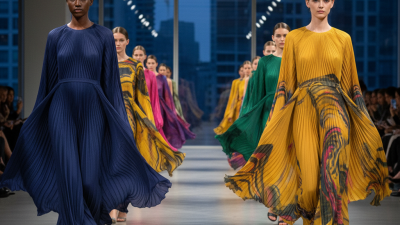
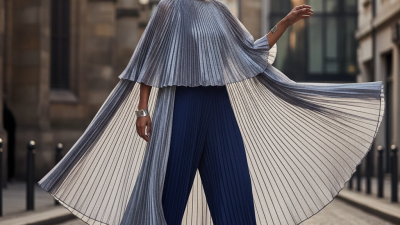
Top 10 Pleats Please Trousers Styles for Global Buyers?
In the ever-evolving fashion landscape, "Pleats Please Trousers" have emerged as a staple for global buyers seeking versatility and style. According to a recent report by FashionTrend Insights, sales of pleated trousers have surged by 25% this year alone. This increase reflects consumer demand for unique designs that combine comfort with sophistication. Experts predict that this trend will continue, making pleated trousers a must-have in wardrobes worldwide.
Renowned fashion analyst, Dr. Emily Chen, states, "Pleats Please Trousers not only enhance one’s silhouette but also represent a shift towards functional fashion." This underscores the growing importance of practical yet stylish clothing in contemporary fashion. As buyers explore these styles, they may find challenges in selecting the right fit and material, which can greatly impact their overall look.
It's crucial for buyers to consider the fabric and cut when choosing Pleats Please Trousers. While many styles offer elegance, others may not live up to expectations. Reflecting on some popular styles, there remains work to be done in balancing aesthetics and wearability. The journey into pleated trousers is filled with both excitement and lessons to learn.
Top Trends in Pleats Please Trousers for Global Fashion Markets
The fashion landscape for pleats please trousers is evolving rapidly. Recent market analyses show that pleated trousers are gaining popularity among global buyers, especially in regions like Europe and Asia. According to a report by Fashion Trend Analytics, the demand for pleated styles increased by 35% over the last year, driven by their versatility and comfort. This trend caters not only to high fashion but also to casual wear, appealing to a broader audience.
Consumer preferences are shifting towards sustainable fabrics. Reports indicate that 60% of buyers prioritize eco-friendly options in their shopping habits. Brands incorporating sustainable materials into pleated trousers are seeing an uptick in sales. However, challenges remain. Many manufacturers struggle to find a balance between innovation and sustainability. Some pleats designs may even sacrifice comfort for style, leading to customer dissatisfaction.
Style variations, such as high-waisted and wide-leg designs, are trending in the global market. However, these trends can overshadow the importance of fit and functionality. Feedback from fashion reviews suggests that while trendy, certain styles may not accommodate all body types. Observing these nuances is essential for brands looking to compete in this dynamic market.
Key Fabric Choices for Pleats Please Trousers: Sustainability and Style
Pleats Please trousers are gaining popularity among buyers focusing on sustainability. The choice of fabric plays a crucial role in this trend. Eco-friendly options are not only stylish but also responsible. Fabrics such as organic cotton and Tencel are becoming top choices. These materials use less water and produce minimal waste. They cater to consumers who value both aesthetics and the environment.
The aesthetic appeal of Pleats Please trousers lies in their versatility. They can be dressed up or down effortlessly. However, consumers must pay attention to their fitting and comfort. Sometimes, the pleating adds bulk, which may not suit every body type. Experimenting with different styles can help buyers find the best silhouette for their shape.
Sustainability is a journey, not a destination. Some fabrics may appear eco-friendly but have hidden environmental costs. It’s essential to research and understand where materials come from. Buyers should question the entire manufacturing process. This reflection can lead to more informed choices. Crafting a collection of modern trousers while considering sustainability is achievable with mindful selection.
Top 10 Pleats Please Trousers Styles for Global Buyers
| Style |
Fabric Type |
Sustainability Feature |
Key Feature |
| Wide-Leg Trousers |
Organic Cotton |
Biodegradable |
Comfortable Fit |
| Tailored Trousers |
Recycled Polyester |
Energy Efficient |
Classic Design |
| Cropped Pans |
Tencel |
Sustainable Wood Sources |
Fashionable Length |
| Chino Trousers |
Hemp Blend |
Water Efficient |
Versatile Styling |
| Palazzo Pants |
Linen |
Low Impact |
Breathable Fabric |
| Pleated Ankle Pants |
Modal |
Renewable Source |
Soft Texture |
| Cargo Trousers |
Recycled Nylon |
Less Waste |
Utility Style |
| Jogger Pants |
Bamboo Fabric |
Fast Growing Crop |
Casual Comfort |
| Paperbag Trousers |
Recycled Cotton |
Resource Conserving |
High-waisted Style |
| Bermuda Shorts |
Eco-Friendly Denim |
Chemical Free |
Casual Chic |
Consumer Preferences: What Global Buyers Look for in Trousers
When it comes to trousers, global buyers prioritize comfort and style. A recent report from the Global Fashion Industry notes that 75% of consumers now prefer versatile pieces that can transition from casual to formal settings. This shift highlights the growing demand for trousers that offer both functionality and elegance. Buyers are increasingly drawn to fabrics that provide stretch and breathability, making pleats a popular choice for their flattering fit.
Additionally, sustainability plays a crucial role in consumer preferences. According to a survey by the Ethical Fashion Forum, 60% of buyers consider eco-friendly materials when purchasing trousers. This indicates a significant shift towards responsible fashion choices. Many consumers seek trousers made from recycled fabrics or organic cotton. However, some reports reveal that not all brands meet these sustainability standards, leaving buyers frustrated.
Color and pattern also influence buyer decisions. Research suggests that 68% of consumers are looking for unique styles that reflect personal identity. Therefore, pleated trousers in bold colors or distinctive patterns can capture attention. Yet, over-reliance on trends can lead to quick obsolescence. Buyers often reflect on whether they will wear such styles in the long term. Balancing trendiness with timelessness is key for manufacturers aiming to meet evolving consumer demands.
Regional Popularity: Pleats Please Trousers Across Different Markets
Pleats Please trousers have gained popularity in diverse markets around the world. In Asia, particularly Japan, these trousers are a staple for many fashion-forward individuals. They embody a blend of comfort and style, making them suitable for both casual and professional settings. The unique pleating technique offers a distinctive silhouette that appeals to the modern consumer.
In Europe, these trousers are often paired with oversized blazers and statement accessories. The relaxed fit aligns with the current trend of emphasizing comfort without sacrificing style. However, preferences can vary. Some consumers in colder regions look for heavier fabrics, while those in warmer climates prioritize lighter materials. It’s essential to consider how cultural nuances and climate influence fashion choices.
In North America, the trend is also growing. Here, more people are interested in sustainable fashion. Pleats Please trousers, recognized for their durability, cater to this rising demand. However, there are challenges. Consumers sometimes struggle to find the right size or fit. This indicates that brands need to improve size ranges and customer service. Overall, understanding regional nuances is crucial for success in the global market.
Sizing and Fit: How Global Standards Affect Pleats Please Sales
When it comes to Pleats Please trousers, the fit is crucial. Global sizing standards vary significantly. This affects how consumers experience the product. Many buyers are concerned about inconsistencies in sizing across regions. A size that fits perfectly in one area may feel snug or loose in another. Understanding these variations is key for global buyers.
Tips for finding the right fit: Measure your waist and hips accurately. Look for detailed size charts that offer comprehensive information. Don’t forget to consider fabric stretch. Different materials can change how trousers fit on the body. Pay attention to customer reviews as they often mention fit details.
Despite careful planning, fit issues can arise. This can lead to disappointment when trying on new styles. It's essential to be aware of return policies. Customers should not hesitate to return or exchange items that do not meet their expectations. This feedback helps brands improve sizing accuracy.
Top 10 Pleats Please Trousers Styles for Global Buyers
This chart illustrates the popularity of the top 10 Pleats Please trousers styles among global buyers, showcasing the effect of sizing and fit on sales. Each style's sales figures reflect consumer preferences across different markets.