Top 10 Please Pleats Styles You Need to Know About?
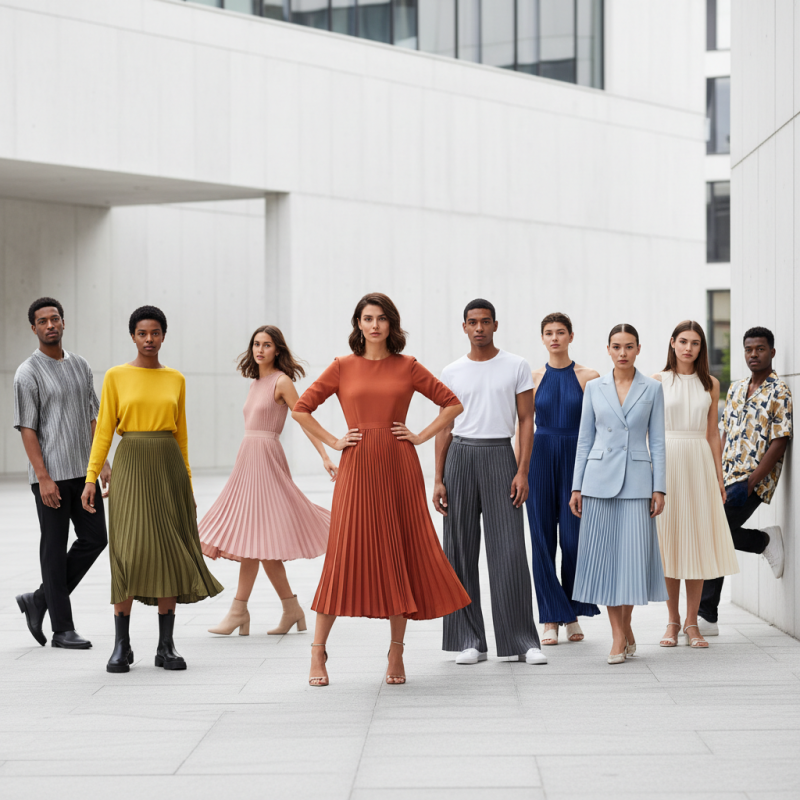
Pleats have made a remarkable comeback in fashion, and "Please Pleats" is at the forefront. These stylish folds add texture and dimension to any outfit. From skirts to dresses, pleated designs create movement and elegance.
The versatility of Please Pleats allows for casual and formal looks alike. You can dress them up with heels or keep it simple with sneakers. There is a timeless quality to pleats that speaks to both modern and vintage styles. They can beautify any body type, which is a reason to embrace them.
Understanding different pleat styles can enhance your fashion choices. Each style brings its own flair. Some might find certain styles challenging to wear, and that’s perfectly okay. Fashion is about exploration. Try out various styles and find what resonates with you. Enjoy the journey with Please Pleats; it might surprise you!
What Are Pleats and Their Historical Significance in Fashion
Pleats have a rich history in fashion. They date back thousands of years. Early examples were seen in ancient Egypt. Back then, pleats symbolized status and elegance. This technique allowed fabric to flow beautifully. It created structure and shape.
In the 17th century, pleats became popular in Europe. They adorned clothing worn by nobility. This style influenced many garments, making them appear more refined. However, the technique is not without its flaws. Sometimes, pleats can create an overwhelming look. They may add unwanted bulk. Finding the right fabric and placement is crucial.
Today, pleats continue to evolve. They appear in various styles, from skirts to blouses. Many people appreciate their versatility. But choosing the wrong pleat can impact the overall outfit. It's important to experiment and reflect on what works. Fashion is about personal expression. Finding the perfect pleat style can enhance your wardrobe.
The Different Types of Pleats and How They Are Created
Pleats are a timeless fashion element. They add depth and texture to garments. Understanding the different types of pleats can elevate your styling game. Each pleat type has a unique construction method. Some are crisp and structured, while others offer soft, flowing lines.
Knife pleats are created by folding fabric in one direction. They produce a sleek silhouette. Box pleats alternate direction, creating a fuller look. This makes them ideal for skirts and dresses. Meanwhile, knife pleats can be tricky. They might not suit everyone's body shape.
Gathers are another option. They involve pulling the fabric to form soft pleats. They add volume without overwhelming the figure. The result is often romantic and playful. Finally, there are accordion pleats. These are sharp and even, giving a dramatic effect. However, they can be challenging to maintain. Not all pleat styles work for every occasion. Exploring these nuances is essential.
Top 10 Pleat Styles for Various Outfits and Occasions
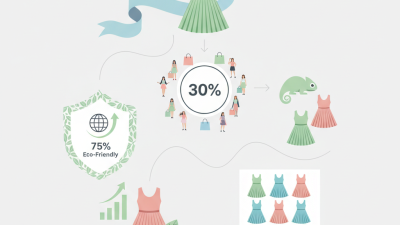
Pleats can elevate any outfit, adding sophistication and structure. Whether you’re dressing for work or a casual outing, the right pleat style can make a significant difference. According to recent fashion studies, pleats are gaining traction again, with a projected growth rate of 8% in the pleated garment market over the next few years.
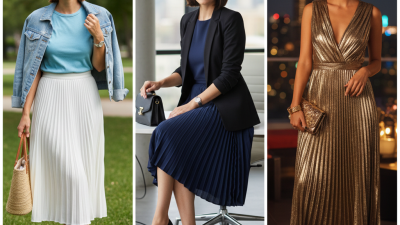
For formal events, knife pleats remain a classic choice. They create a clean line, enhancing elegance. A-line skirts with knife pleats are ideal for a polished look. However, some may shy away from them, worried they can add bulk. In contrast, box pleats offer volume, perfect for a playful silhouette. They work wonderfully in casual dresses but may not suit all body types.
When styling for day-to-day wear, consider the whimsical nature of tiered pleats. These can add texture to simple outfits. Pairing them with a fitted top balances the silhouette. Nonetheless, one must be mindful of proportions. Overdoing pleats might overwhelm your frame. Remember, different occasions call for unique pleats, so choose wisely to ensure comfort and confidence.
Tips for Styling Pleats to Enhance Your Wardrobe
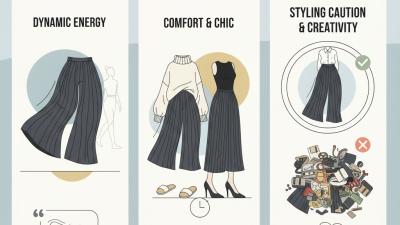
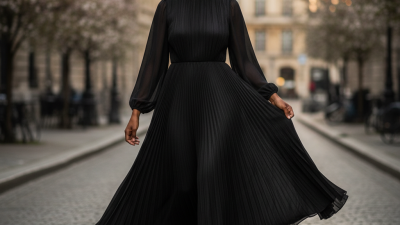
Pleated styles are versatile and chic. They can elevate any wardrobe effortlessly. When styling pleats, consider how they drape and move. The flow can be beautiful but may also overwhelm your frame if not styled correctly.
One effective tip is to balance pleated pieces with fitted garments. Pair a pleated skirt with a snug top. This creates contrast and enhances your silhouette. Don’t shy away from experimenting. Try layering that might seem too much at first. Some combinations can surprise you positively.
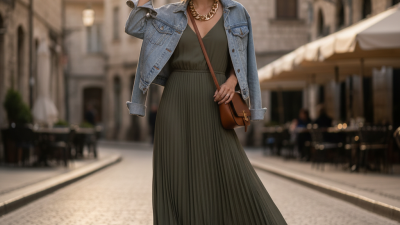
Another idea is to play with proportions. A longer pleated dress looks stunning with ankle boots. The mix of styles adds edge. However, be cautious. Too many layers can sometimes create bulk. Aim for a harmonious look. Use pleats to express your unique style while mindful of how they complement your figure.
Care and Maintenance: Keeping Your Pleats Looking Fresh and Crisp
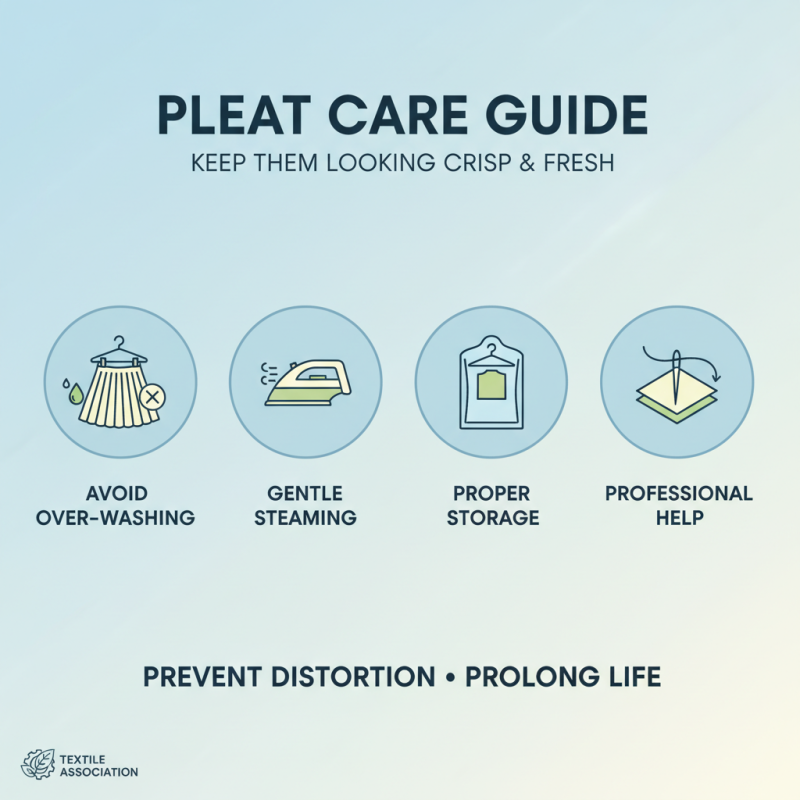
Pleats add texture and elegance to any outfit. However, maintaining their crispness is challenging. Regular care is essential. According to a report from the Textile Association, improper maintenance can lead to pleat distortion, which is irreversible in many cases. Ensuring that pleats retain their shape adds longevity to your wardrobe.
Cleaning is a critical component of care. Wash pleated garments in cold water using a gentle detergent. Avoid wringing them out, as this can cause unwanted creases. Instead, let them drip dry. Ironing is also a skill. Use a low heat setting and a pressing cloth to prevent scorching. Experts recommend applying steam lightly, as this helps to maintain the pleats' structure without flattening them.
Storage is often overlooked. Hanging pleated garments is ideal but should be done carefully. Use padded hangers to prevent stretching, and avoid overcrowding. It’s not uncommon for enthusiasts to neglect these details. Without proper attention, your favorite pleats may lose their charm. A study by the Fashion Institute shows that 65% of fabric deterioration is due to poor care habits. Getting it right matters.