Why Pleats Please is a Timeless Trend in Fashion Today?
In the ever-evolving realm of fashion, "Pleats Please" remains a beacon of timeless elegance. Renowned designer Issey Miyake once said, "Pleats transcend time and trends." This philosophy underscores the enduring appeal of textured fabrics and innovative designs. The versatility of pleats allows garments to flow gracefully while adding dimension.
In contemporary fashion, pleats are not merely a design choice. They symbolize a connection between heritage and modernity. Designers are reinterpreting pleated styles, drawing inspiration from vintage looks but infusing them with fresh aesthetics. Consumers appreciate the charm of pleats that offer comfort and style. However, amidst this revival, some critics argue that pleats can appear outdated if styled poorly.
The world of "Pleats Please" invites reflection on personal style and cultural influences. The intricate details of pleating techniques deserve recognition. While they embody sophistication, finding the balance between tradition and innovation is crucial. This duality makes pleats a fascinating subject in fashion discourse.
The Origin of Pleats in Fashion History
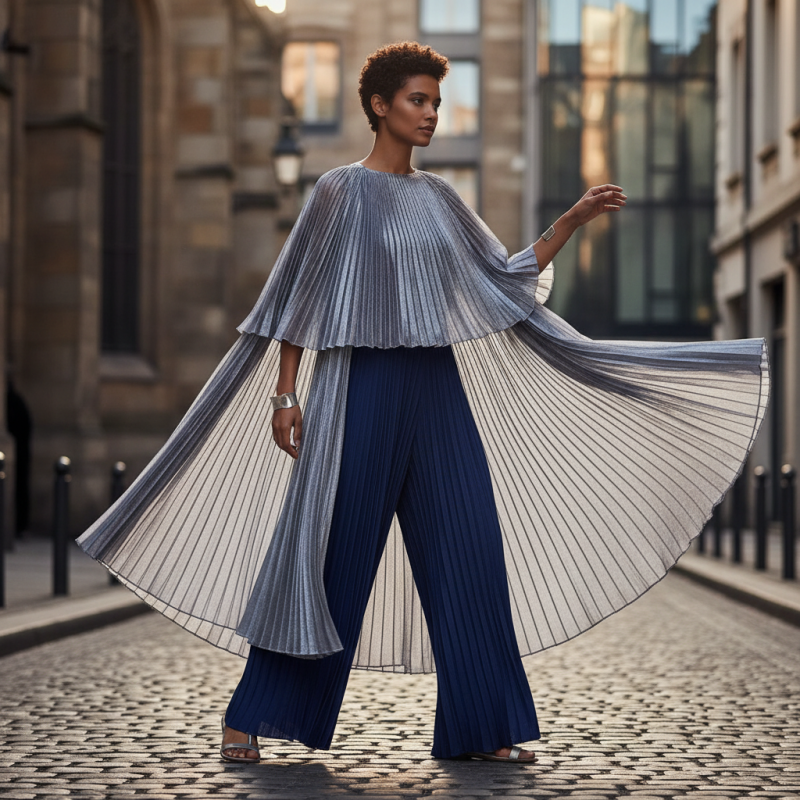
Pleats are an enduring element in fashion history. They date back to ancient civilizations. Egyptian garments featured pleated linen. This technique was practical and decorative. Ancient Greeks and Romans also embraced pleats. Their styles highlighted movement and form.
During the Renaissance, pleats became more sophisticated. Various fabrics were used, creating intricate designs. Tailoring techniques improved, leading to structured garments. In the 19th century, pleats adorned skirts and dresses beautifully. They symbolized elegance and femininity, shaping social standards of the time.
Today, pleats remain popular. They add texture and depth to modern outfits. People appreciate their versatility. Yet, some fashion enthusiasts may overlook their historical significance. It’s essential to reflect on why certain styles endure. This awareness enriches our connection to fashion. Pleats tell a story of adaptation and continuity, reminding us of their timeless appeal.
Popularity of Pleats in Fashion through the Decades
The Evolution of Pleated Designs Through Decades
Pleated designs have captivated fashion enthusiasts for decades. From the 1920s to the modern-day, these styles have seen remarkable transformations. In the 1920s, pleats symbolized freedom and a breaking away from tradition. The flapper movement embraced loose, flowing silhouettes, allowing women to express themselves. This was the beginning of pleats as a fashionable choice.
As we moved into the 1950s and 1960s, pleats became more structured. Designers experimented with a variety of materials, creating sharp lines and silhouettes. Pencil skirts with precise pleats highlighted femininity. Yet, this period faced criticism for emphasizing restrictive gender norms. Some felt that such styles limited self-expression for women.
In recent years, pleats have evolved again. Modern interpretations blend comfort and style. Designers now play with colors and fabrics, offering unique visual experiences. Silhouettes can be both relaxed and tailored. However, the adaptability of pleats sometimes leads to confusion. What feels timeless for some may seem outdated to others. The beauty of pleated designs lies in their ability to challenge perceptions while remaining relevant in contemporary fashion.
Contemporary Designers Embracing Pleats Today
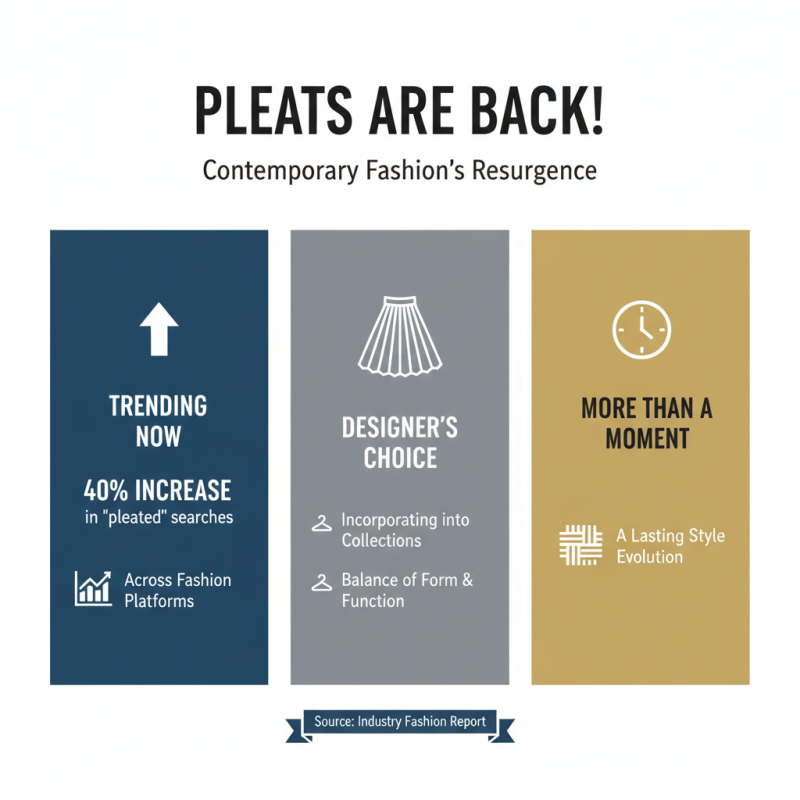
Pleats have made a significant comeback in contemporary fashion. Designers are increasingly incorporating pleated designs into their collections. According to a recent industry report, pleats have surged in popularity, with a 40% increase in "pleated" search terms across fashion platforms. This trend is not just a fleeting moment; it's a reflection of how designers balance functionality and aesthetic appeal.
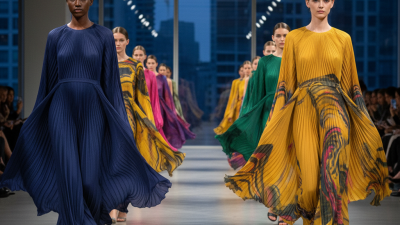
Fashion houses today are experimenting with diverse fabrics and styles. Consider how pleats can transform a simple silhouette. They add depth, movement, and texture. The intricate detailing of pleats attracts attention without overwhelming the wearer. However, as designers embrace pleats, some struggle with execution. Sometimes, pleats can appear bulky or unflattering on certain body types. This calls for thoughtful design choices.
Moreover, pleats can be versatile. They adapt to both casual and formal wear. Designers may face challenges in maintaining this versatility while keeping the designs fresh and innovative. Recent studies suggest that 30% of consumers seek sustainability in fashion. This makes it vital for designers to evaluate the environmental impact of their pleated garments. Reflecting on these factors could lead to even more innovative designs as pleats continue to adapt in this ever-evolving industry.
The Versatility and Functionality of Pleats in Modern Wardrobes
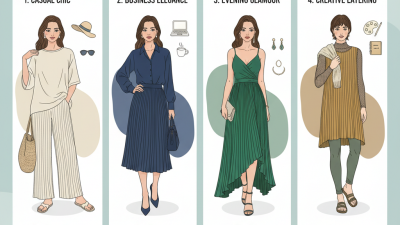
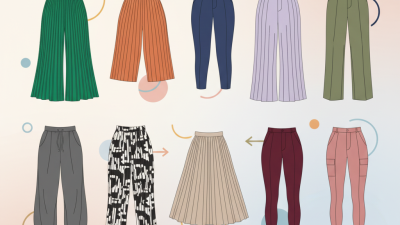
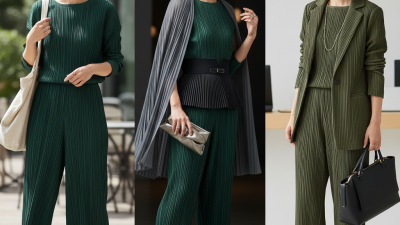
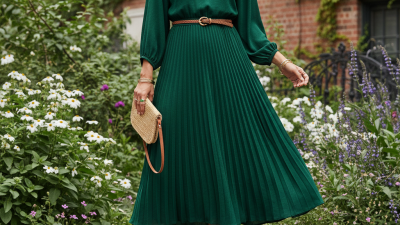
Pleats are more than just a fabric detail; they are a statement of style. The versatility of pleats allows for exciting combinations in modern wardrobes. A pleated skirt can effortlessly transition from day to night, pairing beautifully with a simple tee or a sophisticated blouse. They add movement and texture, enhancing any outfit.
Functionality is key in today’s fashion. Pleats can create depth, making an otherwise flat garment more dynamic. They hide imperfections and provide comfort for various body types. A pleated dress, for instance, can be forgiving while still looking chic. But, even with their appeal, not every pleated piece flatters everyone. It often requires a bit of experimentation.
Finding the right pleats can be tricky. The fabric, cut, and style can alter the entire look. Sometimes, a pleat can seem excessive or unflattering. This makes thoughtful selection essential. Balance is crucial; too many pleats can overwhelm an outfit. Embracing imperfections also invites creativity. Fashion should be fun, and pleats allow for personal expression.
Why Pleats Please is a Timeless Trend in Fashion Today? - The Versatility and Functionality of Pleats in Modern Wardrobes
| Category |
Feature |
Benefits |
| Material |
Lightweight fabrics |
Comfortable and easy to wear |
| Design |
Variety of pleat styles |
Suitable for various occasions |
| Styling |
Layering options |
Versatile for casual and formal outfits |
| Functionality |
Easy care |
Low maintenance and durable |
| Trends |
Timeless appeal |
Always in style across seasons |
Cultural Influences and Global Trends Reinforcing Pleats' Popularity
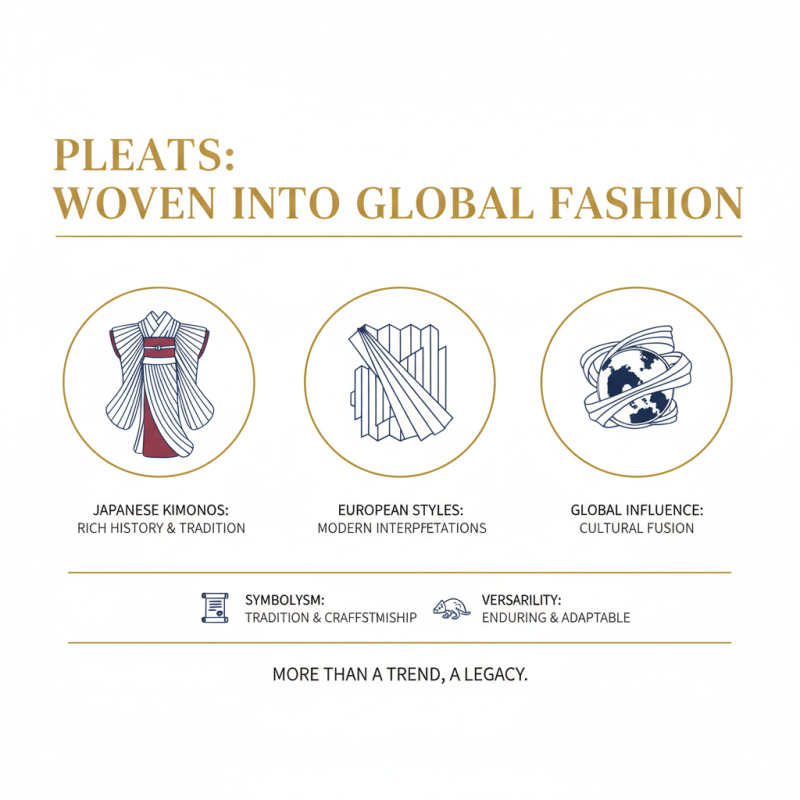
Pleats are not just a passing trend. They have woven themselves into the fabric of global fashion, blending cultural influences from various corners of the world. In many cultures, pleats symbolize tradition and craftsmanship. They evoke a sense of nostalgia while remaining incredibly versatile. For instance, the elaborate pleats seen in Japanese kimonos reflect a rich history, while European styles showcase modern interpretations.
The adaptability of pleats is crucial to their appeal. They can be dressed up for formal occasions or down for casual wear. This flexibility makes pleats a go-to option for any wardrobe. Whether in skirts, dresses, or trousers, they cater to diverse tastes. Yet, with this popularity comes a challenge. Not everyone can pull off pleats effectively. The wrong fabric or fit can easily lead to an unflattering look.
Cultural storytelling through pleats is particularly interesting. Each pleat tells a story, whether it’s a celebration of heritage or a nod to contemporary design. As fashion rapidly evolves, some may wonder if pleats might fade. But their ability to merge with global trends ensures they remain relevant. It’s essential to explore how pleats can enhance personal style, embracing their charm while recognizing the need for individual reflection. Finding the right pleat is an art worth mastering.