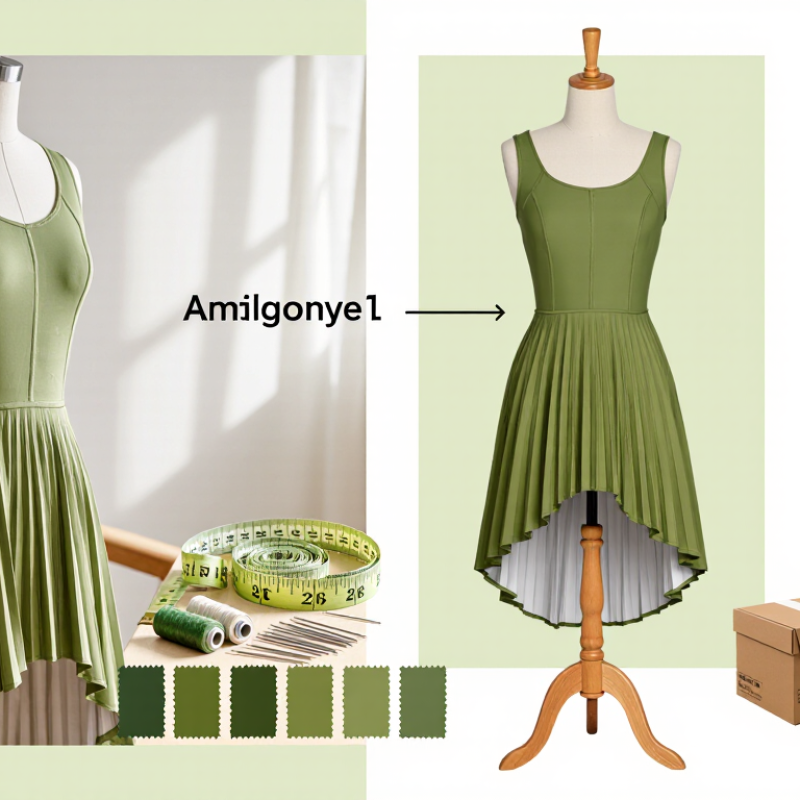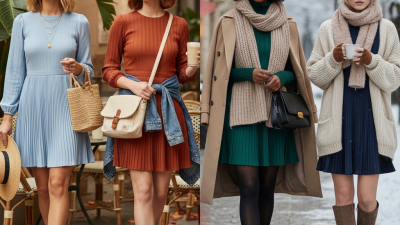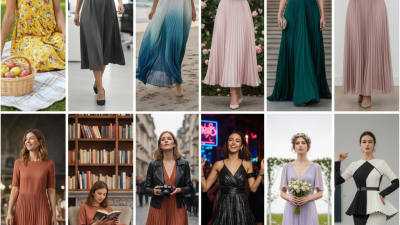
A Green Pleated Dress can look polished on a product page and feel entirely different in hand. Buyers need to assess more than color and silhouette. Fabric weight, pleat recovery, lining, and seam finish all affect how the dress wears and travels. Small details matter. A sample should be checked under daylight and indoor lighting, since green shades can shift noticeably.
This guide introduces seven practical buying tips for global buyers, from confirming fabric specifications to checking size measurements and sample consistency. It also considers packaging, lead times, and clear communication with suppliers. These checks cannot remove every risk, but they can make purchasing decisions more informed. One point is easy to overlook: pleats may flatten during shipping, so request a packed sample when presentation matters.
For transparency, the expert name and quotation below are illustrative, not a verified real-world attribution. The guide’s fictional apparel-sourcing specialist, Mara Ellison, offers this rule of thumb: “Judge the pleat after wear and packing, not only on the hanger.” That reminder is practical, though incomplete; real performance depends on fabric, construction, and care instructions. Use the tips as a checklist, then verify details against the actual sample and agreed product specifications. A beautiful dress is only a strong buy when its finish, fit, and delivery expectations align.
A green pleated dress can serve different customers, but color alone is not a buying strategy. Decide whether the silhouette is a sharp midi for office-to-dinner wear, a soft maxi for events, or a short, casual style. Check pleat depth, lining, fabric recovery, and how the skirt moves when walking. A sample that looks elegant on a hanger may feel bulky after sitting.
Tip: Match the dress to a clear occasion and customer. For warm-weather markets, test breathable fabric and lighter lining. For eventwear, check opacity under bright light and whether pleats hold their shape after packing. Ask buyers to review fit across more than one body type; one sample size can mislead.
Price sensitivity matters. McKinsey and the Business of Fashion’s State of Fashion 2024 survey found that 71% of fashion executives expected consumers to spend less on fashion that year. This makes versatile styling and dependable construction practical selling points. Still, avoid assuming every market wants the same shade of green or hem length. Compare local customer feedback with sell-through data, then adjust the next order. I would not rely on trend images alone; they can hide real fit problems.
Identify the dress style, occasion, and target customer before placing an order.
How to use this chart: Scores are an editorial planning framework, not market-survey results. Start with style, occasion, and target customer, then assess fabric and pleat quality, sizing, color options, and care requirements for your assortment.
Green can shift from cool sage to vivid emerald under different lighting, so compare physical swatches whenever possible. View them near a window and under warm indoor light. Small differences matter. Ask suppliers whether swatches and production fabric come from the same dye lot; screen images can hide subtle undertones. A muted olive may suit autumn collections, while brighter jade often reads clearly in resort displays. Still, color names vary between suppliers, so record a shade reference rather than relying on names alone.
Pleat structure changes both appearance and movement. Fine accordion pleats create fluid volume, while knife pleats look sharper and more tailored. Box pleats add room without as much surface texture. Request close-up photos and check whether the pleats hold their shape after gentle handling. Fabric affects the result. Lightweight polyester chiffon drapes well but may need lining; cotton blends feel more structured and can crease during packing. Not always an easy trade-off. Ask for fabric weight, lining details, and care instructions before approving bulk orders. A sample helps, though it may not fully represent production. Compare the finished garment after it has been folded and unpacked, especially if it will travel long distances.
For a green pleated dress, request the finished garment measurements, not just a size chart. Compare bust, waist, hip, and skirt length against a physical sample. Ask whether measurements include the pleats relaxed or stretched; that detail can change fit. The National Retail Federation’s 2023 retail returns report estimated that 14.5% of annual sales would be returned, rising to 17.6% for online sales. Those figures cover retail broadly, not dresses alone, but they show why clear sizing matters. Check grading across sizes, too. A size medium is not a reliable fit reference for every buyer.
Inspect the pleats after pressing and gentle wear. Ask for fabric composition, weight, seam allowance, lining details, and test results for colorfastness and dimensional change. A swatch should match the production lot’s green shade under daylight; indoor lighting can hide a mismatch. Request a pre-production sample. Small flaws matter.
Supplier claims need paperwork. Verify business identity, facility details, and current audit or quality-system records directly with the issuing organization. The Textile Exchange 2024 Materials Market Report estimated global fiber production at 124 million tonnes in 2023. That scale makes traceable material claims worth checking, not merely repeating. I would not treat a certificate alone as proof of consistent production; confirm its scope, expiry date, and covered facility.
| # | Buying Tip | What to Check | How to Verify | Purchase Specification |
|---|---|---|---|---|
| 1 | Define the size chart | Garment measurements, grading between sizes, and the intended fit. Size labels alone are not consistent across markets or suppliers. | Request a measurement chart in centimeters and inches. Measure a sample at agreed points, such as bust, waist, hip, and dress length. | Approve a size chart and sample before production. State the measurement points and agreed tolerances in the purchase specification. |
| 2 | Assess pleat retention | Pleat depth, spacing, alignment, and whether the pleats remain defined after the care process stated on the label. | Inspect a garment laid flat and on a hanger. Wash or dry-clean a sample according to its proposed care instructions, then compare its appearance. | Record the approved pleat appearance and care method. Request a pre-production sample made with the intended fabric and finishing process. |
| 3 | Inspect seams and finishing | Even stitching, secure seam ends, neat hems, clean zipper installation, and no skipped stitches or loose threads. | Check the inside and outside of samples, paying particular attention to the waist, side seams, zipper, lining, and hem. | Provide clear workmanship requirements and photos of the approved sample. Include inspection points for production checks. |
| 4 | Confirm fabric and lining | Fiber composition, fabric weight, opacity, hand feel, lining coverage, and compatibility with the chosen pleating process. | Request a fabric swatch and composition details. Check the dress in daylight and indoor lighting for show-through and shade differences. | Specify the agreed fiber composition, fabric weight or construction where needed, lining details, and approved color reference. |
| 5 | Check colorfastness and care | Whether the green shade is likely to transfer or fade during rubbing or laundering, and whether the garment can be cared for as labeled. | Request relevant test reports from a qualified laboratory. ISO 105-X12 covers colorfastness to rubbing; ISO 105-C06 covers colorfastness to domestic and commercial laundering. | Agree on the required test methods and acceptance limits before ordering. Confirm that the care label matches the garment’s tested care method. |
| 6 | Review supplier credentials | Business identity, production capability, quality-control process, and whether any claimed certifications are current and relevant to the order. | Check registration documents where available, verify certificates with the issuing body, request a factory or production-process review, and evaluate a sample order. | Use a written purchase agreement covering product specifications, inspection, delivery dates, payment terms, and remedies for nonconforming goods. |
| 7 | Plan inspection and packing | Actual measurements, color consistency, construction defects, quantity, garment labeling, folding, and protection during transit. | Set a pre-shipment inspection plan and sampling method. Check packed units against the approved sample and packing instructions. | Agree on inspection timing, defect definitions, carton details, labeling language, and destination-market requirements before production begins. |
For a green pleated dress, compare more than the quoted unit price. Ask whether fabric, lining, pleat setting, labels, and individual packaging are included. A low quote can rise when you add custom color matching or stronger stitching. Request a cost breakdown in writing. Small differences matter across a large order.
Check the minimum order quantity by color and size, not only by style. A supplier may accept 300 dresses overall but require 100 in each shade. That can leave you holding slow-selling sizes. Ask about sample fees, production time, and whether the sample cost is credited later. I still catch myself over-focusing on unit price. It is an easy mistake.
Shipping terms can change the real cost. Confirm who arranges freight, insurance, export documents, and delivery to your destination. Compare air and sea options using the same shipment details, including carton dimensions and gross weight. Request an estimated dispatch date and clarify what happens if production runs late. Keep the agreed terms on the purchase order, not just in chat. A few points may remain uncertain until the goods are packed, so leave room in your budget.
Before placing a bulk order, request a pre-production sample in the intended fabric, weight, and green shade. Check pleat depth, hem balance, waistband recovery, and stitching under bright light. Then wash one sample using the proposed care method and inspect whether the pleats hold. Small differences matter. A studio sample may look crisp, while a packed garment can arrive creased or uneven.
Ask suppliers to document fiber composition and provide applicable test reports for the destination market. Textile Exchange’s Materials Market Report 2024 estimates global fiber production reached 124 million tonnes in 2023, with polyester accounting for about 57%. That scale makes clear material specifications useful: confirm whether the dress uses polyester, recycled polyester, or a blend, and ensure labels match verified composition. Don’t rely on a swatch card alone. I’ve seen shade names hide noticeable differences between fabric lots.
Agree on defect definitions, claim deadlines, return shipping costs, and remedies before production. The 2024 NRF and Happy Returns report estimated US retail returns at 16.9% of annual sales; this is a broad retail figure, not a dress-specific rate, but it shows why clear return terms matter. Request dated photos for claims and keep one approved sample as the comparison standard. Even then, photos can miss fabric feel. That part needs judgment.