What Is the Best White Pleated Dress for 2026?
What Is the Best White Pleated Dress for 2026? The answer will not depend on one runway image or viral recommendation. It will depend on movement, fabric, fit, and real-life wear. A white pleated dress can look airy in a studio, yet feel transparent, stiff, or difficult outdoors. That gap matters.
The State of Fashion 2025, published by The Business of Fashion and McKinsey & Company, describes fashion’s 2025 outlook as low-growth and increasingly value-conscious. Euromonitor International’s apparel analysis also points toward consumers seeking versatility, durability, and stronger value from each purchase. These findings make the White Pleated Dress more than a seasonal trend. It must work at weddings, summer offices, travel stops, and ordinary weekends. Cotton blends may feel practical. Silk can create softer movement. Recycled polyester often holds sharper pleats, but may feel less breathable.
Fashion designer Issey Miyake once said, “I wanted to create clothes that were not clothes.” His words explain why pleating remains powerful. It changes fabric into motion. It adds structure without always adding weight. Still, the quote does not solve every problem. A dress can be beautifully engineered and uncomfortable by noon. That is worth admitting.
This guide compares the strongest 2026 options through fabric quality, pleat recovery, lining, opacity, care instructions, sizing, and cost per wear. We will examine photographs, construction details, and practical user experience. No single dress wins for everyone. The best choice may be the one that survives repeated washing, catches light gently, and still feels like you.
What Defines the Best White Pleated Dress for 2026?
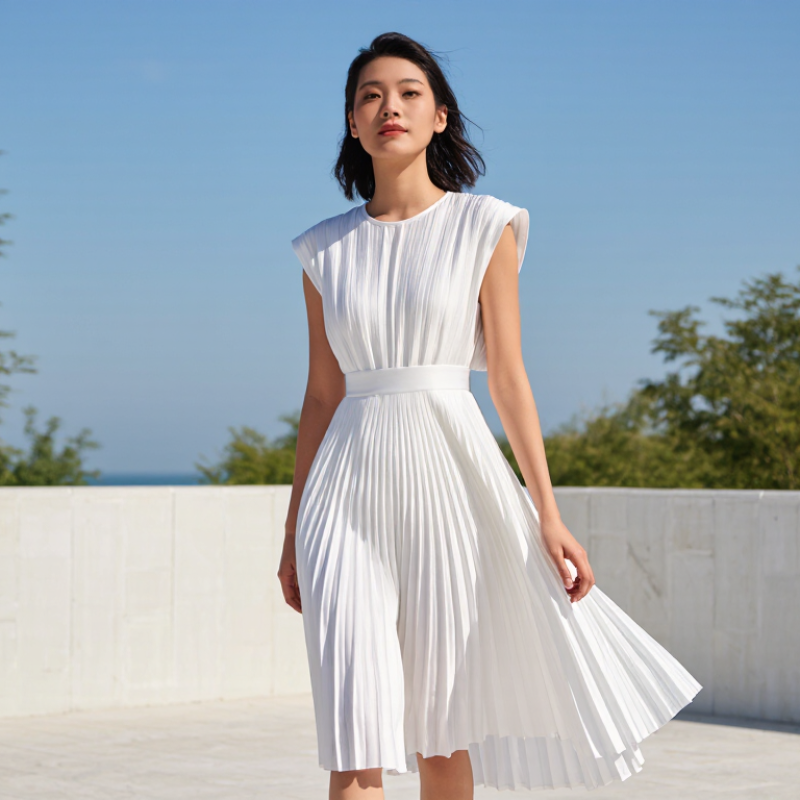
The best white pleated dress for 2026 is defined by balance, not decoration. It should move easily, hold its shape, and remain opaque in strong daylight. A lightweight lining matters, especially around the skirt and bodice. White fabric reveals poor construction quickly.
In practical fittings, pleat recovery is a useful test. Pinch one pleat gently, then release it. It should return without obvious waviness. Knife pleats create a sharper silhouette, while accordion pleats offer more movement. The choice depends on your body shape and daily routine. I once preferred a very crisp style, but it felt restrictive after several hours. That changed my view of comfort.
Fabric quality also defines the dress. A cotton blend can feel breathable, while synthetic fibers often improve crease resistance. The ideal material should not cling after walking or become transparent under flash photography. Check the hem, waist seam, and zipper before buying. Uneven stitching can distort the pleats later. A responsible choice also considers repairability and washing instructions. Many pleated garments lose structure in careless washing, so gentle cleaning and careful storage are essential. The most dependable design leaves room for real life, even if that makes the silhouette slightly less perfect.
Key Features to Evaluate in a White Pleated Dress
What Is the Best White Pleated Dress for 2026?
Key Features to Evaluate in a White Pleated Dress
A strong white pleated dress begins with fabric behavior, not decoration. Hold it toward daylight and check for visible shadows, uneven transparency, or weak lining.
Polyester represented 57% of global fiber production in 2023, according to Textile Exchange’s Materials Market Report 2024.
It resists wrinkles well, but poor-quality fibers can feel hot and trap moisture. A cotton blend may feel cooler, although it can crease faster.
There is no perfect fabric.
Inspect the pleats closely. They should repeat evenly from the waist to the hem, without crushed sections. Press gently across one fold. Good pleats should recover quickly. Check the waist seam, zipper, and inner finishing for loose threads. A slightly structured lining prevents clinging and improves movement. The dress should remain comfortable when sitting, walking, and raising both arms.
Opacity matters more in white clothing. Test the dress under indoor lighting, then near a window. Also examine the care label. A delicate garment that needs frequent specialist cleaning may become expensive and inconvenient.
WRAP reports that extending clothing life by nine months can reduce carbon, water, and waste footprints by 20–30%.
Choose durable stitching and washable construction when possible. I would still question vague claims about “sustainable” materials without traceable evidence.
A beautiful pleat means little if it collapses after two washes.
Best Fabrics, Pleat Styles, and Silhouettes for Different Needs
Choosing the best white pleated dress starts with fabric, not decoration. Cotton poplin creates crisp knife pleats and feels breathable in warm weather. Linen blends offer texture, but their folds soften quickly. Polyester holds accordion pleats longer and resists wrinkles during travel. Textile Exchange’s Materials Market Report 2024 states that polyester made up 57% of global fiber production in 2023. Still, recycled content does not automatically mean better quality. Check fiber composition, lining, and care instructions.
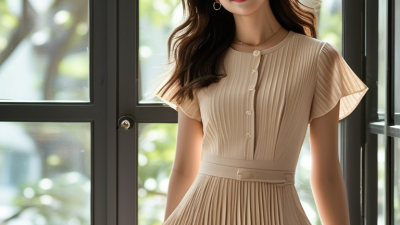
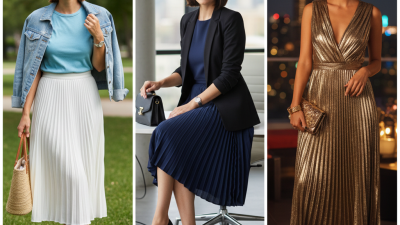
Pleat style should match the occasion and body movement. Knife pleats suit office-ready A-line silhouettes because they fall neatly from the waist. Accordion pleats add motion to a midi dress and work well for dancing or outdoor events. Box pleats create structure, but they can add visual width around the hips. A column silhouette looks elegant, yet it may restrict walking unless the fabric has stretch. The European Environment Agency reports that Europeans consumed about 19 kilograms of textiles per person in 2022. That figure makes durability worth considering, even for one white dress.
Tips: Hold the dress under daylight. Look for transparent panels, uneven pleats, and weak stitching. Choose cotton or linen blends for breathable daytime wear. Choose stable polyester for frequent travel. My practical preference is a lined, medium-weight fabric with flexible pleats. It is not perfect, but it balances comfort, shape retention, and easier maintenance.
What Is the Best White Pleated Dress for 2026?
Comparing common dress fabrics for breathability, pleat retention, opacity, and ease of care.
Scores use a comparative 1–5 scale based on typical fiber and fabric behavior: linen and cotton voile offer strong breathability, polyester satin generally holds pleats well and is easy to care for, while silk chiffon provides a light silhouette but needs more delicate handling. Choose knife or accordion pleats for movement, box pleats for structure, and an A-line silhouette for versatile everyday wear.
How to Choose the Right White Pleated Dress for Your Body Type
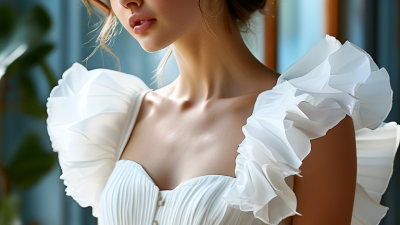
Choosing the best white pleated dress for 2026 starts with your proportions, not a trend. Pleats add texture and movement, but they can also create extra visual volume. If you have a fuller bust, look for a V-neckline and narrow pleats below the waist. These details guide the eye vertically. A defined waist can balance the fabric without making the dress feel tight.
For pear-shaped figures, a structured shoulder or softly fitted bodice can create proportion. An A-line skirt usually falls smoothly over the hips. If your frame is straight, choose pleats that begin at the waist and a dress with subtle shaping. This creates gentle dimension. Petite wearers may prefer smaller pleats and a shorter hem, since broad pleats can overwhelm a smaller frame. Tall figures can handle deeper pleats, longer lengths, and stronger vertical lines. Still, personal comfort matters more than a chart. I have found that a dress can look perfect on paper but feel awkward after sitting or walking.
Tips: Check the fabric in daylight. White material may become transparent, especially across stretched pleats. Try sitting, raising your arms, and walking several steps. The waist should stay comfortable, and the pleats should recover their shape. A half slip or smooth lining can improve coverage without hiding the dress’s movement. Avoid choosing a size only by bust or hip measurements; compare the full measurement guide carefully. Small adjustments, such as shortening the hem or adding a simple belt, may make the fit more convincing. The “ideal” shape is not fixed. Your posture, shoes, and confidence change the result.